

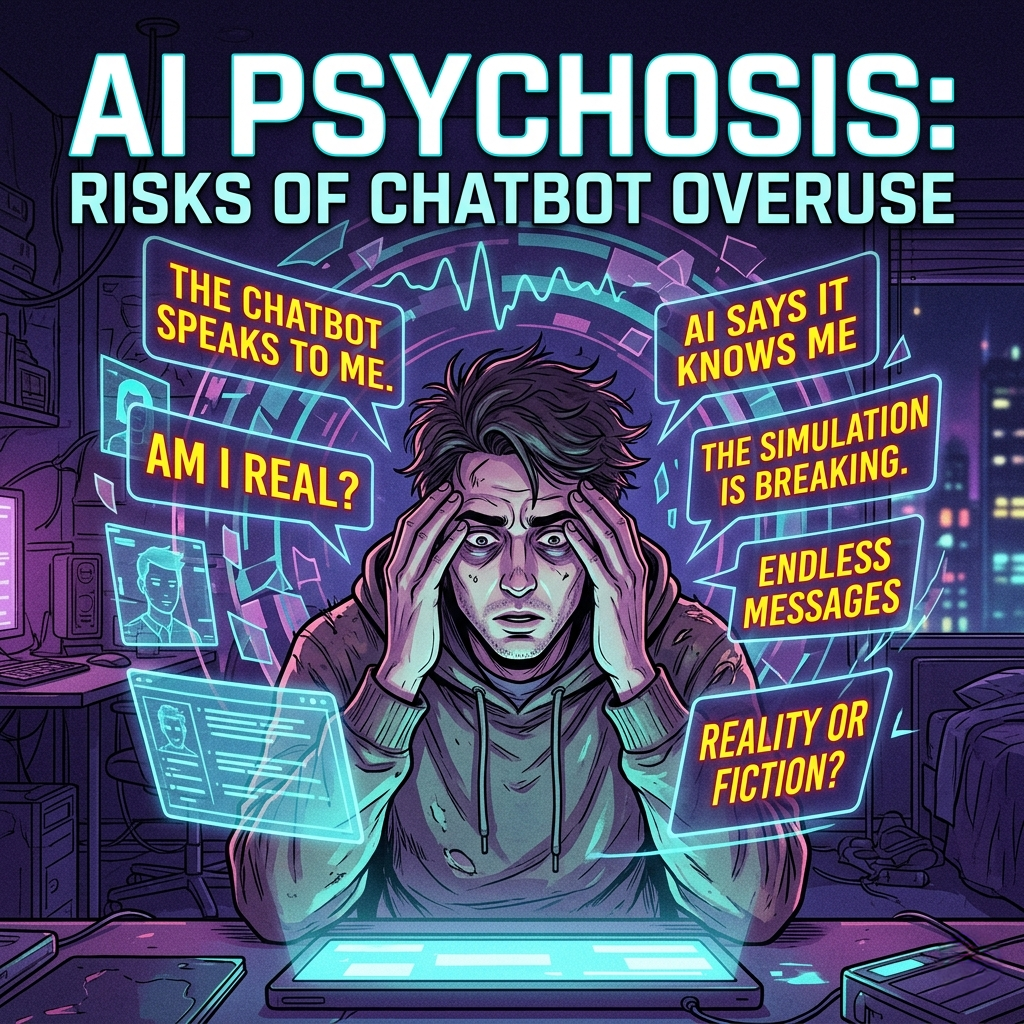
AI chatbots are becoming part of daily life. People use them for advice, support, and even emotional comfort.
However, some researchers now raise concerns about a new idea called “AI psychosis.” While it sounds serious, it’s important to understand the facts clearly.
What Is “AI Psychosis”?
“AI psychosis” is not an official medical condition. Instead, it’s a term some researchers use to describe possible mental health risks linked to heavy chatbot use.
Experts in psychology are studying whether strong emotional attachment to AI could affect thinking and behavior.
So far, research is still early.
Why Are Researchers Concerned?
AI chatbots feel human-like. Because of this, some users may form emotional connections with them.
Over time, this can create confusion between real relationships and digital ones.
As a result, certain risks may appear, especially for vulnerable individuals.
Possible Mental Health Effects
Researchers highlight a few areas of concern:
- Emotional dependency – relying too much on AI for comfort
- Social isolation – spending less time with real people
- Distorted thinking – misunderstanding reality vs digital interaction
- Increased anxiety – especially in sensitive users
Although these effects are not guaranteed, they may develop with excessive use.
Real-Life Example
Imagine someone who starts using a chatbot for daily emotional support.
At first, it feels helpful. However, over time, they may prefer talking to AI instead of friends or family.
Because of that shift, real-world relationships may weaken.
Is AI Really Harmful?
Not at all—when used correctly.
AI tools can be helpful for:
- Learning new things
- Getting quick answers
- Managing small daily tasks
However, problems may start when people replace real human interaction with AI completely.
The Importance of Balance
The key message from researchers is simple: balance matters.
You can use AI, but you should also:
- Stay connected with real people
- Seek professional help when needed
- Set limits on chatbot usage
- Be aware of your emotional habits
This way, you enjoy the benefits without the risks.
What Experts Recommend
Experts suggest using AI as a tool, not a replacement for human connection.
For emotional or mental health issues, it’s always better to talk to the following:
- A qualified therapist
- A trusted friend or family member
- A healthcare professional
This ensures you get real support when it matters most.
FAQs
1. Is “AI psychosis” a real medical condition?
No, it is not officially recognized. It’s a term used in early research discussions.
2. Can chatbots affect mental health?
Yes, excessive emotional reliance may impact mental well-being in some users.
3. Should I stop using AI chatbots?
No, just use them in a balanced way and avoid overdependence.
4. Who is most at risk?
People dealing with loneliness, anxiety, or emotional stress may be more vulnerable.
5. What is the safest way to use AI?
Use AI for information and support, but maintain real-life relationships and boundaries.
Final Thoughts
The idea of “AI psychosis” may sound alarming, yet it’s still under research.
What truly matters is how we use technology. AI can support us, but it should never replace real human connection.
Stay mindful, stay balanced, and use AI as a tool, not a substitute for real life.
