


Introduction
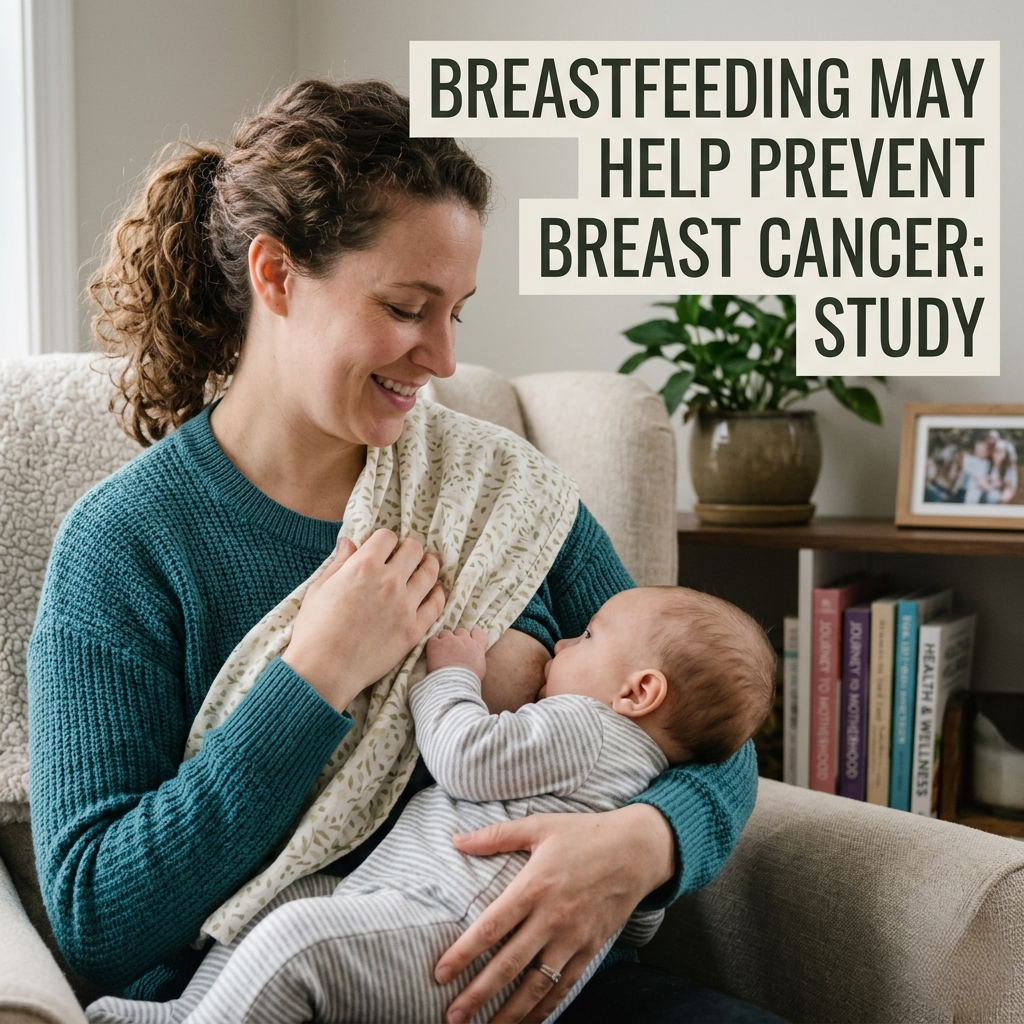
For many years, scientists knew that breastfeeding reduces the risk of breast cancer. However, they did not fully understand why this happens. Now, new research has discovered the biological reason behind this protection.
The study shows that breastfeeding triggers a surge of special immune cells in breast tissue. These cells may help stop cancer before it even starts.
How Breastfeeding Protects Against Cancer
Researchers discovered that breastfeeding activates specialized immune cells that stay in breast tissue. These cells act like a local defense system.
They can:
- Detect abnormal cells
- Attack potentially dangerous cells
- Prevent tumor development
- Support tissue health
Because of this immune response, the body may stop cancer cells before they grow into tumors.
This discovery helps explain why breastfeeding has long been linked to lower cancer risk.
Breast Cancer Risk Reduction Statistics
Studies show a clear connection between breastfeeding duration and reduced cancer risk.
Research indicates:
- Breast cancer risk drops by about 4.3% for every year a woman breastfeeds
- Longer breastfeeding provides more protection
- The benefit continues later in life
- Older mothers may see stronger protective effects
Breast cancer is one of the most common cancers worldwide, so even a small reduction in risk is very important.
The disease is known as breast cancer and affects millions of women globally each year.
Why Immune Cells Increase During Breastfeeding
Scientists believe the body increases immune protection during breastfeeding to protect both the mother and the baby.
During this period:
- Breast tissue changes
- Milk production begins
- Immune activity increases
- Protective cells remain in tissue
These immune cells may remain in the breast for years, providing long-term protection.
This is why the protective effect of breastfeeding can last long after breastfeeding ends.
Long-Term Health Benefits of Breastfeeding
Breastfeeding is not only beneficial for babies but also for mothers. Research shows several long-term health benefits.
These include:
- Lower breast cancer risk
- Lower ovarian cancer risk
- Improved metabolism
- Reduced risk of type 2 diabetes
- Faster postpartum recovery
- Hormonal balance
Because of these benefits, many health organizations recommend breastfeeding when possible.
What This Discovery Means for Future Cancer Prevention
Understanding how breastfeeding activates immune cells could help scientists develop new cancer prevention methods.
In the future, researchers may:
- Develop drugs that mimic this immune response
- Create new cancer prevention therapies
- Improve breast cancer screening methods
- Better support maternal health programs
This discovery could lead to new ways to prevent cancer, even for women who cannot breastfeed.
FAQs
Does breastfeeding really reduce breast cancer risk?
Yes, research shows breast cancer risk decreases by about 4.3% for every year of breastfeeding.
Why does breastfeeding reduce cancer risk?
Breastfeeding increases immune cells in breast tissue that may detect and destroy cancer cells early.
Do the benefits last after breastfeeding stops?
Yes, the protective effect may last for many years after breastfeeding.
Is breastfeeding the only way to reduce breast cancer risk?
No, healthy lifestyle, exercise, regular screening, and diet also help reduce risk.
Conclusion
New research has finally explained why breastfeeding reduces breast cancer risk. The process triggers a surge of immune cells that protect breast tissue and may destroy cancer cells before tumors develop.
This discovery is important because it could lead to new cancer prevention strategies in the future. It also highlights how breastfeeding benefits not only babies but also long-term health for mothers.
Understanding the body’s natural defense systems may become one of the most powerful tools in cancer prevention.
