


Introduction
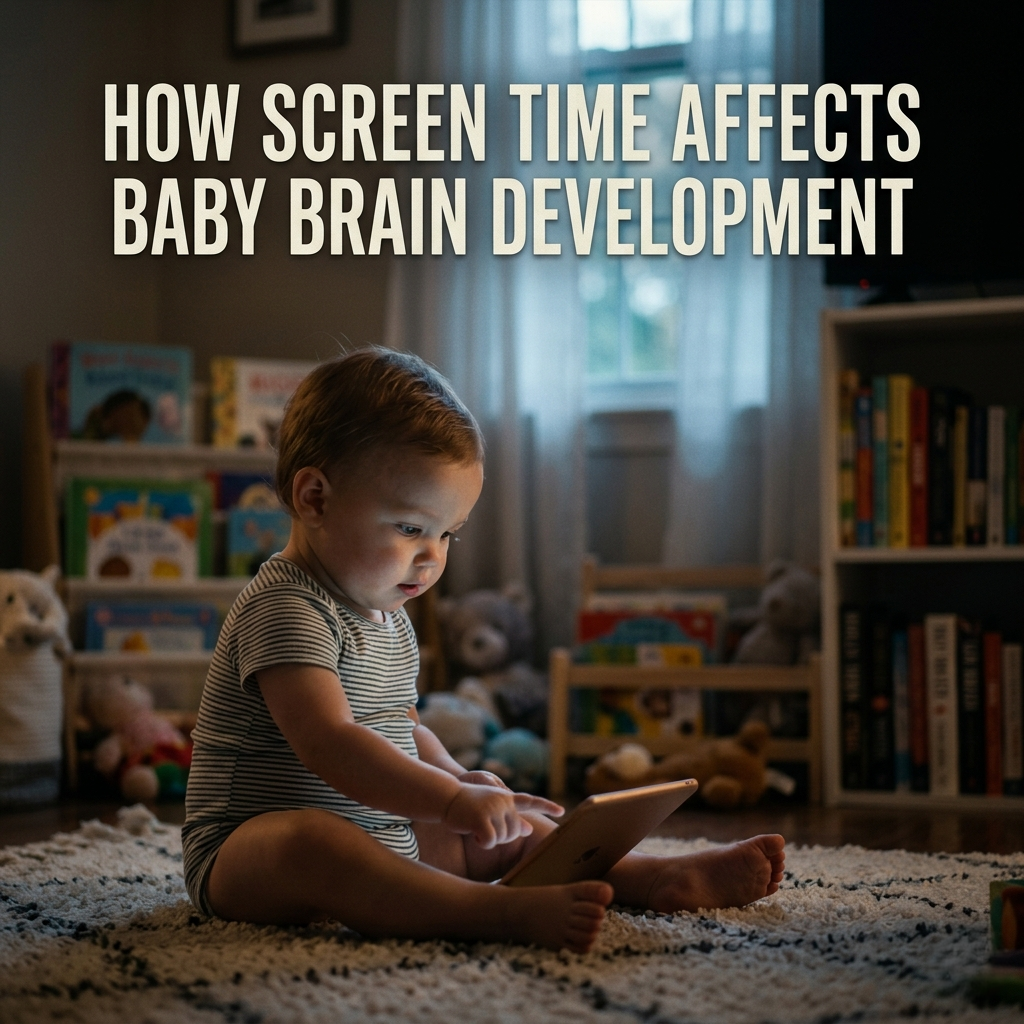
What if handing your baby a phone feels harmless but actually changes how their brain develops?
That sounds scary, yet recent research suggests it might be true. Scientists followed children for over a decade and found something surprising.
Early screen exposure, especially before age two, may shape brain development in ways that last for years.
Let’s break this down in a simple, clear way.
What the New Research Found
A major study by the A*STAR Institute for Human Development and Potential and the National University of Singapore tracked children from infancy to their teenage years.
Researchers used brain scans at different ages, which makes this study especially reliable.
Key Findings:
- High screen time before age two sped up brain network development
- This affected areas linked to:
- Visual processing
- Cognitive control (thinking and decision-making)
- By age eight, kids showed slower decision-making
- By age thirteen, higher anxiety symptoms appeared
So, while the brain seemed to “develop faster,” it didn’t develop better.
Why Early Screen Time Is Different
Interestingly, the same effects were NOT seen in children exposed to screens at ages three or four.
This tells us something important.
Infancy is a sensitive window
During the first two years:
- The brain grows extremely fast
- Neural connections form rapidly
- Experiences shape long-term behavior
Because of this, even small habits like screen use can have lasting effects.
What “Accelerated Brain Development” Really Means
At first, faster brain development might sound like a good thing.
However, that’s not always true.
Think of it like this:
- A child’s brain is meant to develop step by step
- Screens may push certain areas to mature too quickly
- As a result, balance between brain systems is affected
This imbalance may explain:
- Slower thinking in complex situations
- Higher emotional sensitivity
- Increased anxiety later in life
The Good News: Parents Can Still Make a Difference
Here’s the part that really matters.
The study found something hopeful.
Children whose parents regularly read to them at age three showed fewer negative effects—even if they had early screen exposure.
Why reading helps:
- It builds language and imagination
- It strengthens emotional bonding
- It supports balanced brain development
So, engaged parenting can actually reduce the impact of early screen use.
Simple Tips for Parents
You don’t have to be perfect. Small changes can help a lot.
For babies under 2:
- Avoid regular screen exposure
- Use toys, sounds, and face-to-face interaction instead
- Talk, sing, and play often
For toddlers (2–4 years):
- Limit screen time
- Choose high-quality, slow-paced content
- Watch together when possible
Daily habits that help:
- Read books every day. 📖
- Encourage real-world play
- Spend distraction-free time together
Real-Life Example
Imagine two children:
- One spends hours watching videos as a baby
- The other is read to and engaged in play
Over time, the second child builds stronger emotional and thinking skills.
This doesn’t mean screens are “bad,” but timing and balance matter a lot.
Common Mistakes Parents Make
Many parents don’t realize the long-term impact.
Here are a few common mistakes:
- Using screens to calm babies regularly
- Thinking “educational videos” are always safe
- Not balancing screen time with interaction
Instead, focus on connection, not just convenience.
FAQs
1. Is any screen time safe for babies?
Very limited exposure is best. Experts recommend avoiding screens under age two when possible.
2. Are educational videos helpful for infants?
Not really. Babies learn better from real human interaction.
3. Can the effects of early screen time be reversed?
Partially, yes. Activities like reading and active play can reduce negative effects.
4. How much screen time is okay after age two?
Keep it limited and supervised, ideally under one hour per day.
Final Thoughts
The first two years of life are more than just a phase; they shape how a child thinks, feels, and reacts to the world.
This research, published in eBioMedicine (2025), reminds us that early habits matter more than we think.
Still, there’s no need to panic. What matters most is awareness and small, positive changes.
