


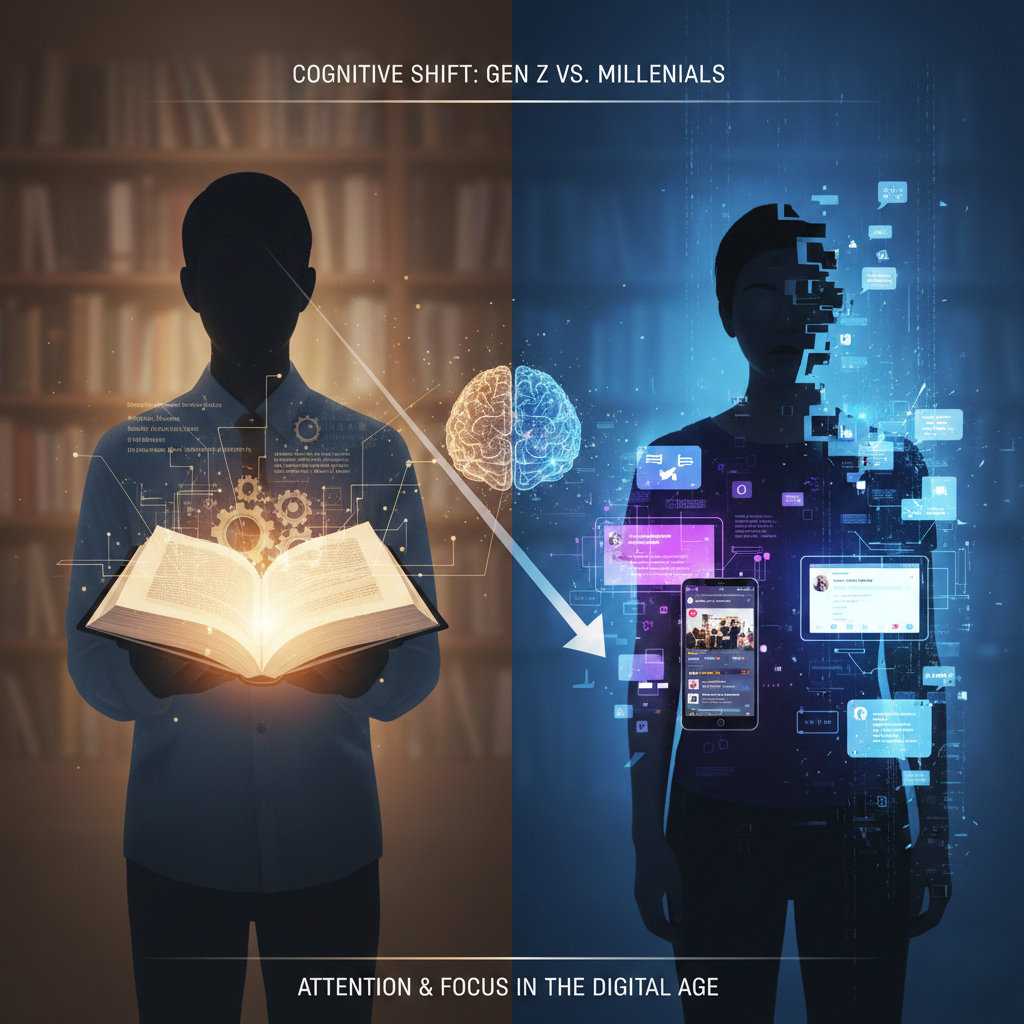
New research from the U.S. and Europe is catching serious attention.
Scientists say Generation Z is scoring lower on average in some cognitive tests than Millennials.
The findings don’t mean younger people are less intelligent.
But they do suggest something important is changing.
What the Studies Are Showing
Researchers looked at long-term test data across generations.
They found noticeable drops in areas such as:
- Memory and recall
- Reading comprehension
- Sustained attention
- Ability to focus for long periods
These patterns appeared in multiple countries, not just one region.
Is the Flynn Effect Slowing Down?
For decades, IQ scores increased with each new generation.
This trend is known as the Flynn effect.
Now, scientists believe it may be slowing—or even reversing.
That possibility is why these findings matter so much.
Why Scientists Are Concerned
Cognitive skills shape how people learn, work, and solve problems.
A small shift today could lead to bigger challenges tomorrow.
Researchers are trying to understand what’s causing the change, not who to blame.
The Role of Screens and Digital Habits
Many experts point to modern daily habits.
Common factors being studied include:
- Constant screen exposure
- Short-form digital content
- Frequent multitasking
- Less time spent on deep reading
These habits may train the brain to skim, not focus.
How Digital Life Affects Attention
The brain adapts to its environment.
Fast content encourages quick reactions.
Deep thinking needs time and quiet.
When attention is constantly interrupted, focus skills may weaken.
Changes in Schools and Classrooms
Some countries are already responding.
To help students concentrate, schools have started:
- Limiting phone use
- Reducing screen time in lessons
- Encouraging reading from paper
- Promoting longer attention tasks
Early results show improved focus in some classrooms.
Gen Z Is Not Less Capable
Scientists are very clear on one point.
This is not about intelligence or potential.
Gen Z is growing up in a very different world.
Technology shapes how the brain develops, just like books once did.
Environment Shapes Thinking Skills
Cognitive ability isn’t fixed.
It changes based on:
- Learning habits
- Daily routines
- Sleep and health
- Education methods
With the right support, skills can improve.
What This Means for the Future
These studies are a wake-up call.
They show how fast modern environments can influence the human mind.
Understanding this helps parents, teachers, and policymakers make better choices.
FAQs
Are Gen Z individuals less intelligent than Millennials?
No. The studies show changes in certain skills, not lower intelligence.
What skills are declining the most?
Memory, reading comprehension, and long-term focus show the biggest drops.
Is technology the main cause?
It’s a major factor, but not the only one. Lifestyle and education also matter.
Why are schools limiting screen use?
To help students focus, read deeply, and improve attention skills.
Can these cognitive skills improve again?
Yes. The brain is adaptable, especially with healthy habits and learning environments.
Final Thoughts
These findings don’t define a generation.
They highlight how powerful our surroundings have become.
Technology brings huge benefits—but it also reshapes how we think.
By understanding these changes, society can help young people build strong focus, memory, and learning skills.
