
Close Menu
Innovate And ExploreInnovate And Explore

    Subscribe to Updates

    Get the latest creative news from FooBar about art, design and business.

    What's Hot

    What Are Phonons? The Tiny Physics Behind Future Technology

    April 23, 2026

    Vitamin K Shot Refusal Raises Serious Risks for Newborns

    April 23, 2026

    Top AI Tools for Remote Work to Boost Productivity in 2026

    April 23, 2026
    Facebook Instagram
    Facebook Instagram YouTube TikTok
    Innovate And ExploreInnovate And Explore
    • Artificial Intelligence
    • Medical Research
    • Technology News
    • Science News
    • VR Headset
    • Palantir
    Innovate And ExploreInnovate And Explore
    Home » Quitting Smoking in Middle Age May Erase Dementia Risk, Study Finds
    Medical Research

    Quitting Smoking in Middle Age May Erase Dementia Risk, Study Finds

    alfredBy alfredFebruary 11, 2026No Comments4 Mins Read
    Facebook Twitter Pinterest LinkedIn Tumblr WhatsApp Email
    Share
    Facebook Twitter LinkedIn WhatsApp Pinterest Email

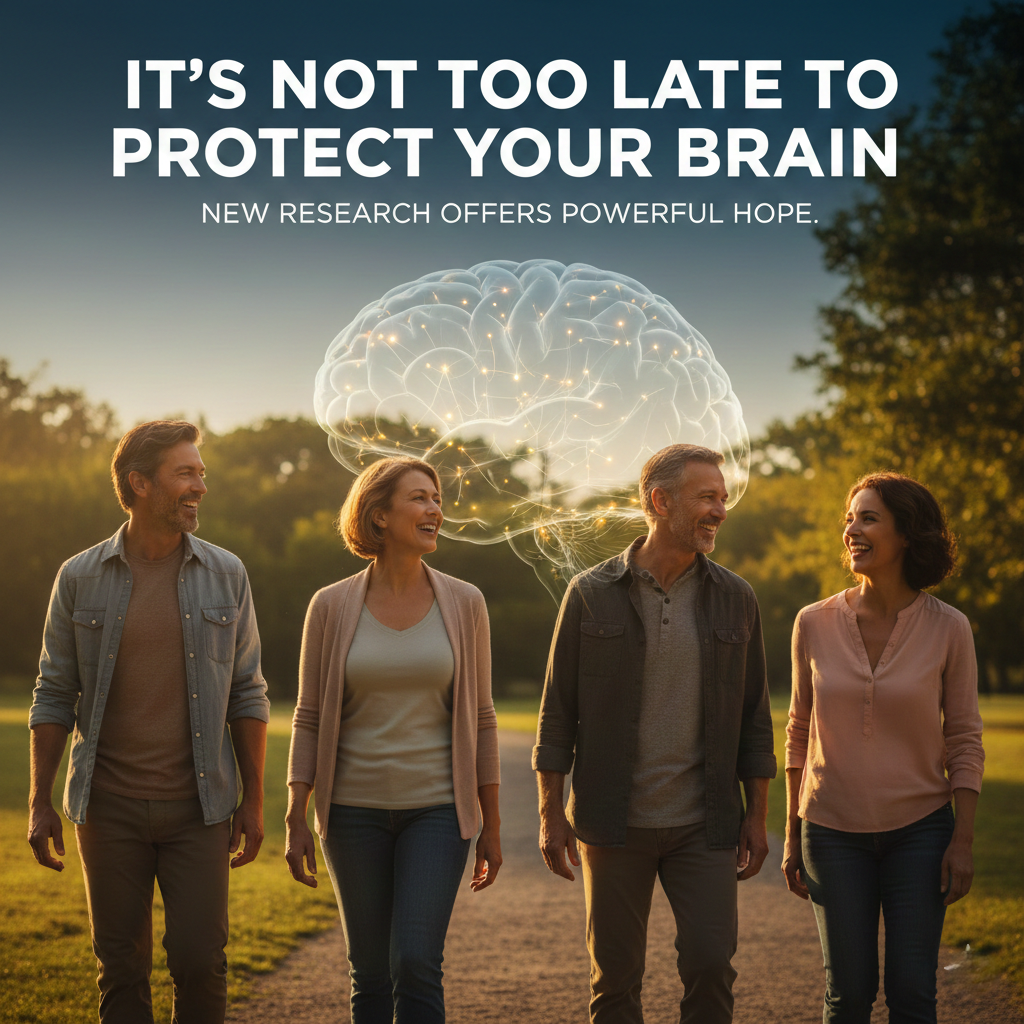
    It’s Not Too Late to Protect Your Brain

    Many smokers believe the damage is already done.

    If you’ve smoked for decades, it can feel pointless to quit for brain health.

    But new research offers powerful hope.

    A major international study suggests that quitting smoking in middle age can reduce your dementia risk to the same level as someone who never smoked.

    That’s a big deal.

    What the Study Found

    Researchers followed 9,436 adults aged 40 and older across 12 countries.

    They tracked smoking habits and cognitive performance over several years.

    The results were clear.

    People who quit smoking experienced:

    • Slower cognitive decline
    • 50% less loss in verbal fluency
    • About 20% less memory decline over six years

    Even more striking?

    Within 10 years of quitting, former smokers had no higher dementia risk than people who never smoked.

    How Smoking Damages the Brain

    Smoking doesn’t just harm the lungs.

    It directly affects the brain in several ways.

    1. Blood Vessel Damage

    Smoking narrows and damages blood vessels.

    The brain depends on healthy blood flow for oxygen and nutrients.

    Poor circulation increases dementia risk.

    2. Inflammation

    Tobacco smoke triggers chronic inflammation.

    Long-term inflammation harms brain cells and weakens neural connections.

    3. Oxidative Stress

    Smoking increases unstable molecules called free radicals.

    These molecules damage brain tissue and speed up aging.

    Over time, these effects raise the likelihood of cognitive decline and dementia.

    The Brain Can Recover—Even After Years of Smoking

    Here’s the hopeful part.

    When people quit, the body begins repairing itself.

    Blood flow improves.
    Inflammation decreases.
    Oxidative stress reduces.

    The study suggests the brain can regain stability over time.

    This recovery process helps explain why former smokers eventually show dementia risk levels similar to never-smokers.

    That’s powerful evidence of brain resilience.

    Why Middle Age Is a Critical Window

    Your 40s and 50s are often when early brain changes begin.

    Stopping smoking during this period may prevent long-term damage from progressing.

    Even quitting later still provides benefits.

    But the earlier you stop, the stronger the protection.

    Think of it like stopping a leak before it floods the house.

    Real-World Impact: What This Means for Public Health

    Dementia cases are rising worldwide.

    Smoking remains a major preventable risk factor.

    If middle-aged adults quit at higher rates, we could see:

    • Lower dementia cases
    • Reduced healthcare costs
    • Longer independent living for older adults
    • Better quality of life in aging populations

    This isn’t just personal health advice.

    It’s a public health opportunity.

    Frequently Asked Questions (FAQs)

    Is the dementia risk really reversible?

    The study shows that within 10 years of quitting, former smokers had no higher dementia risk than never-smokers.

    Does it matter how long someone smoked?

    Even long-term smokers benefited from quitting. Recovery still occurred.

    Is quitting later in life still helpful?

    Yes. Benefits were seen even in middle-aged and older adults.

    How soon does the brain start improving?

    Some cognitive benefits were observed within six years, with greater risk reduction over time.

    Key Takeaways

    • Smoking increases dementia risk through blood vessel damage, inflammation, and oxidative stress.
    • Quitting slows cognitive decline.
    • Verbal fluency loss was reduced by half.
    • Memory decline dropped by about 20% over six years.
    • Within 10 years of quitting, dementia risk matched never-smokers.

    The message is simple.

    It is never too late to quit.

    Conclusion: Your Brain Still Has Time

    Many people think brain health is fixed by midlife.

    This study proves otherwise.

    The human brain is more adaptable than we often assume.

    Stopping smoking in your 40s, 50s, or later can still protect your memory and thinking skills.

    The sooner you quit, the better.

    But even today it is not too late.

    Your future self will thank you.

    advanced encryption standard ai chatgpt ai science news artificial general intelligence california science center hologram museum medical research palantir quantum physics science center science fair board science museum scientific method tech news virtual reality headset
    Share. Facebook Twitter Pinterest LinkedIn Tumblr WhatsApp Email
    alfred

    Related Posts

    What Are Phonons? The Tiny Physics Behind Future Technology

    April 23, 2026

    Vitamin K Shot Refusal Raises Serious Risks for Newborns

    April 23, 2026

    Top AI Tools for Remote Work to Boost Productivity in 2026

    April 23, 2026

    Earth’s CO₂ Levels Hit 430 ppm: A Serious Climate Warning

    April 22, 2026

    AI Cameras in Factories: What’s Really Happening Behind Viral Videos?

    April 22, 2026

    Top AI Tools for Startups to Grow Faster in 2026

    April 22, 2026
    Add A Comment
    Leave A Reply Cancel Reply

    Don't Miss

    What Are Phonons? The Tiny Physics Behind Future Technology

    By alfredApril 23, 2026

    Introduction Most people have never heard of phonons. Yet, they quietly control how modern technology…

    Vitamin K Shot Refusal Raises Serious Risks for Newborns

    April 23, 2026

    Top AI Tools for Remote Work to Boost Productivity in 2026

    April 23, 2026

    Earth’s CO₂ Levels Hit 430 ppm: A Serious Climate Warning

    April 22, 2026
    Stay In Touch
    • Facebook
    • Twitter
    • Pinterest
    • Instagram
    • YouTube
    • Vimeo
    Our Picks

    What Are Phonons? The Tiny Physics Behind Future Technology

    April 23, 2026

    Vitamin K Shot Refusal Raises Serious Risks for Newborns

    April 23, 2026

    Top AI Tools for Remote Work to Boost Productivity in 2026

    April 23, 2026

    Earth’s CO₂ Levels Hit 430 ppm: A Serious Climate Warning

    April 22, 2026

    Subscribe to Updates

    Get the latest creative news from SmartMag about art & design.

    Techlo Inno
    Innovate And Explore
    Facebook Instagram YouTube TikTok
    • About Us
    • Cookies Policy
    • Editorial Policy
    • Terms & Conditions
    © 2026 Innovate and Explore. Designed by Techlo Inno.

    Type above and press Enter to search. Press Esc to cancel.

    Powered by
    ►
    Necessary cookies enable essential site features like secure log-ins and consent preference adjustments. They do not store personal data.
    None
    ►
    Functional cookies support features like content sharing on social media, collecting feedback, and enabling third-party tools.
    None
    ►
    Analytical cookies track visitor interactions, providing insights on metrics like visitor count, bounce rate, and traffic sources.
    None
    ►
    Advertisement cookies deliver personalized ads based on your previous visits and analyze the effectiveness of ad campaigns.
    None
    ►
    Unclassified cookies are cookies that we are in the process of classifying, together with the providers of individual cookies.
    None
    Powered by