


Introduction
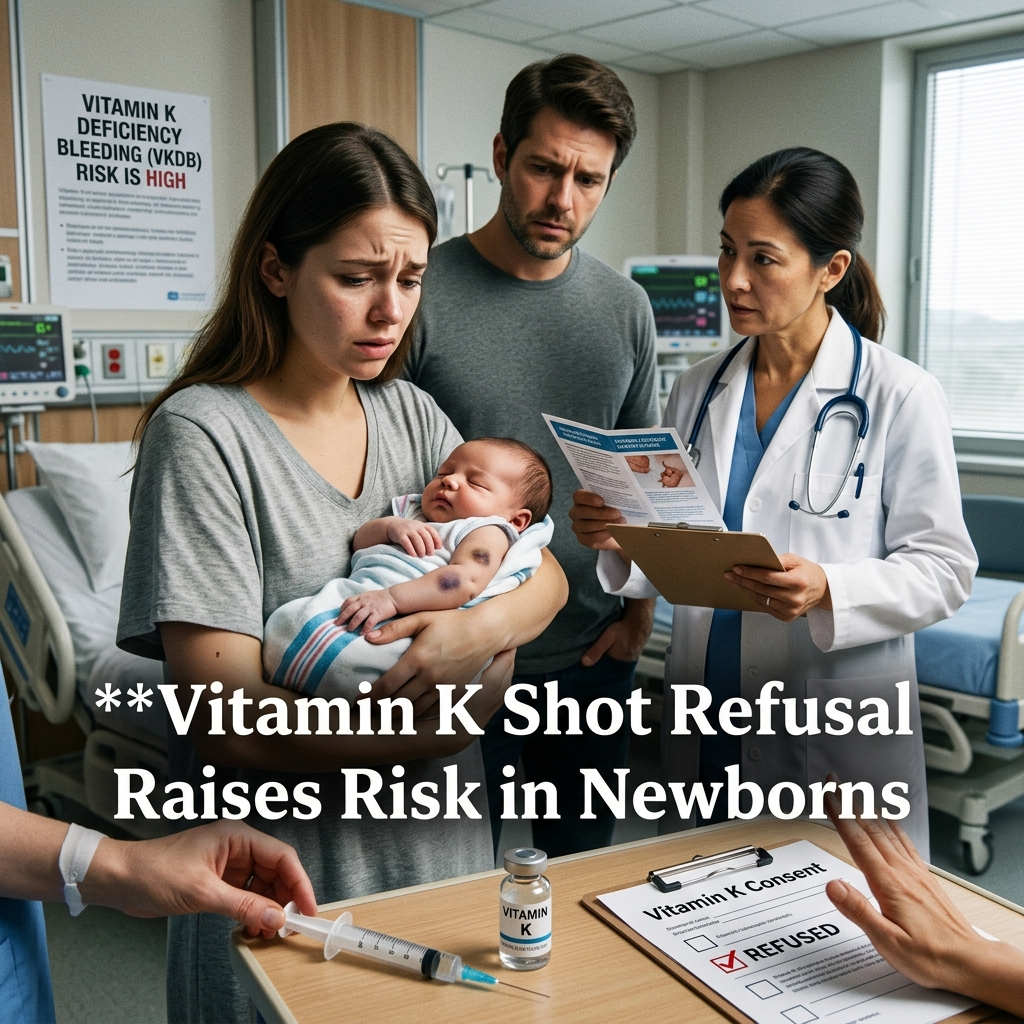
A simple medical shot given right after birth is now at the center of growing concern.
More parents are choosing to skip the vitamin K injection for their newborns. While this decision may seem harmless, new research shows it can lead to life-threatening consequences.
In fact, babies who don’t receive the shot face an 81 times higher risk of severe internal bleeding.
So, what’s really going on and why are doctors so worried?
What Is the Vitamin K Shot and Why It Matters
Newborns are naturally low in vitamin K. This vitamin plays a key role in helping blood clot properly.
Without enough vitamin K, even a small bleed can become dangerous.
Why the Shot Is Given
- Prevents serious bleeding disorders
- Protects the brain from hemorrhage
- Supports normal blood clotting
Because of its effectiveness, this shot has been standard care worldwide since 1961.
What the Latest Research Reveals
New data presented to the
The American Academy of Neurology highlights a troubling trend.
Refusal rates are increasing.
Key Findings
- Refusals rose from 2.92% (2017) to over 5% (2024)
- Data collected from 400+ hospitals in the U.S.
- Unprotected infants face 81x higher risk of severe bleeding
Although the percentage may still seem small, the impact is significant.
Understanding the 81-Fold Risk
The main condition linked to vitamin K refusal is called
Vitamin K Deficiency Bleeding
This condition can appear suddenly and without warning.
What Makes It Dangerous
- Bleeding can occur inside the brain
- Symptoms may not appear early
- It can happen up to six months after birth
As a result, many cases are detected only after serious damage has occurred.
How Severe Are the Consequences?
The outcomes can be devastating.
Key Statistics
- About 63% of affected infants develop brain bleeding
- Mortality rates reach up to 20%
- Around 50% of survivors face lifelong disabilities
These numbers clearly show how serious the condition can become.
Why Are Some Parents Refusing the Shot?
Despite strong medical advice, refusal rates are rising.
Common Reasons
- Concerns about pain for the baby
- Misunderstandings about ingredients
- General vaccine hesitancy
- Misinformation online
However, experts stress that these concerns are often based on myths rather than scientific evidence.
What Doctors and Experts Are Saying
Medical professionals are raising urgent warnings.
Neurologists emphasize that the vitamin K shot is the most effective way to prevent this condition.
Because of rising refusal rates, doctors now recommend stronger communication with parents before birth.
What Experts Suggest
- Clear prenatal counseling
- Addressing myths early
- Explaining risks in simple terms
This approach helps parents make informed decisions.
Real-World Perspective
In hospitals where vitamin K is refused, doctors report more emergency cases involving unexpected bleeding.
In many situations, these cases could have been completely prevented with a single injection.
This highlights a key point: prevention is simple, but the consequences of skipping it are severe.
Should Parents Be Concerned?
Yes—but in a constructive way.
The goal is not fear, but awareness.
Important Takeaways
- The vitamin K shot is safe and well-tested
- It prevents rare but deadly conditions
- Refusal significantly increases risk
So, making an informed decision is crucial.
FAQs
1. Why do newborns need a vitamin K shot?
Because they are born with low vitamin K levels, which are essential for blood clotting.
2. Is the vitamin K shot safe?
Yes, it has been used safely for decades worldwide.
3. What happens if a baby doesn’t get the shot?
They face a much higher risk of serious internal bleeding, including brain hemorrhages.
4. Can vitamin K deficiency bleeding be treated?
It can be treated, but often only after serious damage has already occurred.
5. Why are refusal rates increasing?
Mostly due to misinformation and concerns related to vaccines.
Final Thoughts
The rise in vitamin K shot refusal is a growing public health concern.
Although the decision may seem small, the risks are extremely high. One simple injection can prevent life-threatening complications and protect a child’s future.
As research continues to highlight the dangers, awareness becomes more important than ever.
