


For years, smartphones have ruled our daily lives.
We wake up to them. We scroll through them. We depend on them.
But what if the next big device isn’t something you hold—it’s something you wear?
According to Mark Zuckerberg, AI-powered smart glasses could eventually replace smartphones within the next decade.
Let’s look at what that really means.
The Vision: Technology in Your Line of Sight
The idea is simple.
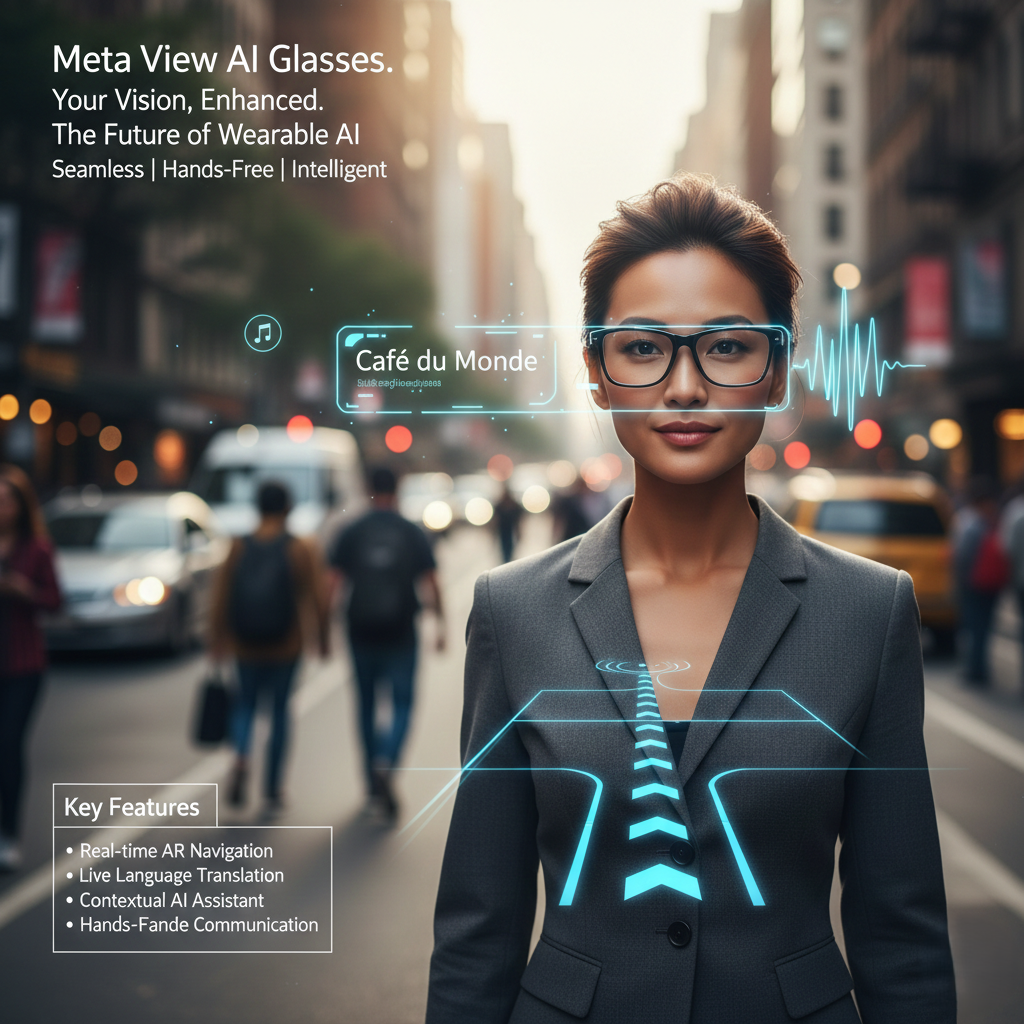
Instead of looking down at a screen, digital information appears directly in front of your eyes.
Using augmented reality (AR), smart glasses could display:
- Notifications
- Messages
- Maps and navigation
- AI assistants
- Real-time translations
All while you continue interacting with the real world.
Technology becomes part of your natural vision.
Meta’s Early Move Into Smart Glasses
Meta Platforms has already taken steps toward this future.
The company partnered with Ray-Ban to launch smart glasses that combine style with technology.
These glasses currently allow users to:
- Capture photos and videos
- Use voice commands
- Access basic AI features
- Listen to audio hands-free
They’re not full smartphone replacements yet. But they show where things are heading.
How AI Makes Smart Glasses Powerful
Artificial intelligence is the key piece of this puzzle.
With AI built directly into wearable devices, glasses could:
- Understand voice commands instantly
- Provide context-aware assistance
- Offer real-time information about surroundings
- Translate languages on the spot
Instead of pulling out a phone, you simply speak or glance.
What Research Institutions Are Exploring
Researchers at places like Stanford University and Massachusetts Institute of Technology are studying how AR and wearable computing could reshape communication and work environments.
Early findings suggest wearable tech may:
- Change remote collaboration
- Blend digital and physical workplaces
- Alter social interactions
- Redefine how people access online spaces
This shift could move computing from our pockets to our field of view.
Can Smart Glasses Really Replace Smartphones?
Not so fast.
Several major challenges still stand in the way.
1. Battery Life
Wearable devices need long-lasting batteries without becoming heavy or bulky.
2. Privacy Concerns
Built-in cameras raise concerns about surveillance and consent.
3. Affordability
For widespread adoption, prices must be accessible to average users.
4. Social Acceptance
People must feel comfortable wearing visible tech daily.
Until these issues are solved, smartphones will likely remain dominant.
Real-World Comparison: Smartphones vs Smart Glasses
| Smartphones | AI Smart Glasses |
|---|---|
| Handheld | Wearable |
| Screen-based interaction | AR display in vision |
| Touch-focused | Voice and gesture-based |
| Mature ecosystem | Still developing |
Smartphones took over because they were practical and affordable.
Smart glasses will need to meet or exceed that level of usefulness.
Why This Shift Matters
If AI smart glasses succeed, daily life could change in big ways:
- Less screen time
- More natural digital interaction
- Hands-free communication
- Seamless AI integration
The way we consume information could feel more fluid and less distracting.
FAQs
Are AI smart glasses available now?
Yes, early versions exist, including products developed by Meta and Ray-Ban. However, they are not full smartphone replacements yet.
Will smartphones disappear completely?
Unlikely in the near future. Smartphones remain powerful, affordable, and deeply integrated into daily life.
What role does AI play in smart glasses?
AI enables voice recognition, contextual awareness, real-time assistance, and personalized digital overlays.
Are smart glasses safe for privacy?
Privacy remains a major concern, especially regarding built-in cameras and data collection.
How soon could this shift happen?
Industry leaders suggest the next decade may bring significant progress, but widespread replacement is uncertain.
Final Thoughts
AI smart glasses represent one of the most exciting shifts in consumer technology.
With support from companies like Meta and ongoing research at leading universities, wearable computing is moving closer to reality.
Still, replacing smartphones is a massive leap.
Battery performance, privacy safeguards, affordability, and user comfort must improve first.
For now, smartphones remain king—but the future of computing may soon sit right on your face instead of in your pocket.
