


Prostate cancer is one of the most common cancers affecting men worldwide.
So when a long-term study suggested that frequent ejaculation might lower prostate cancer risk, it quickly grabbed attention.
Let’s look at what the research actually says—and what it doesn’t.
The Study Behind the Headlines
Researchers from the Harvard T.H. Chan School of Public Health followed nearly 32,000 men over almost 20 years.
Their findings were published in European Urology, a respected medical journal.
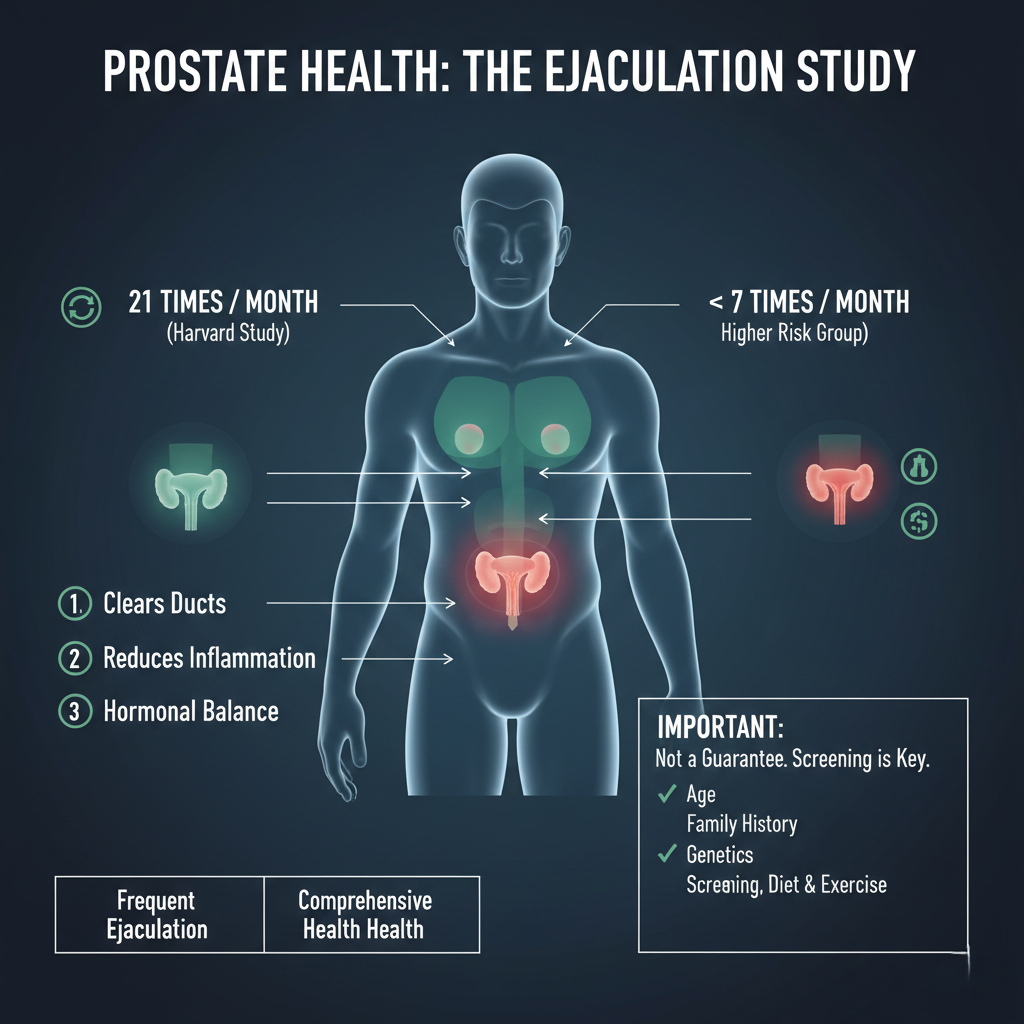
Men who reported ejaculating about 21 times per month showed a lower risk of developing prostate cancer compared to those who did so less often.
That result sparked global discussion about men’s health habits.
Why Might There Be a Link?
Scientists don’t claim a direct cause-and-effect relationship.
But they suggest a few possible explanations.
1. Clearing the Prostate
Regular ejaculation may help flush out fluids and substances that could otherwise build up inside the prostate gland.
2. Reducing Inflammation
Chronic inflammation has been linked to disease development. Frequent release may reduce irritation in prostate tissue.
3. Hormonal Balance
There may also be subtle hormonal factors involved, though this area needs more research.
Still, these are theories—not confirmed mechanisms.
Important: It’s Not a Guarantee
This study shows an association, not proof of protection.
Frequent ejaculation does not guarantee you won’t develop prostate cancer.
Prostate health depends on many factors, including:
- Age
- Family history
- Genetics
- Diet
- Physical activity
- Overall health
Lifestyle plays a role, but it’s only part of the picture.
The Bigger Picture: Prostate Health Basics
Experts agree that prevention is multi-layered.
Healthy habits that support prostate health include:
- Eating a balanced diet rich in fruits and vegetables
- Exercising regularly
- Maintaining a healthy weight
- Limiting processed foods
- Avoiding smoking
Most importantly, routine medical checkups remain critical.
Why Screening Still Matters Most
Early detection significantly improves outcomes.
Doctors often recommend:
- PSA blood tests (when appropriate)
- Digital rectal exams
- Regular health consultations after a certain age
Even if lifestyle habits lower risk slightly, screening remains the strongest defense.
Real-World Perspective
Think of frequent ejaculation as a possible supporting factor—not a primary prevention strategy.
It’s similar to how exercise reduces risk for many diseases but doesn’t eliminate them entirely.
Health is rarely about one single habit. It’s about consistent, balanced choices over time.
FAQs
Does frequent ejaculation prevent prostate cancer?
No. The study found a link, but it does not prove prevention.
How often did the lower-risk group ejaculate?
About 21 times per month, according to the research data.
Should men change their habits based on this study?
Lifestyle decisions should be balanced and discussed with a healthcare provider. This study is just one piece of research.
Is prostate cancer common?
Yes. It is one of the most commonly diagnosed cancers among men worldwide.
What is the most important step for prostate health?
Regular medical screenings and early detection remain the most important protective measures.
Final Thoughts
The study from Harvard T.H. Chan School of Public Health adds an interesting piece to the prostate health puzzle.
Frequent ejaculation may be linked to lower prostate cancer risk, but it’s not a cure or a guarantee.
What truly matters is a combination of healthy habits, awareness, and regular medical checkups.
If you’re concerned about prostate health, talk to your doctor about screening options and risk factors.
Staying informed and proactive is always the smartest move.
