

For years, many people have worked through intense menstrual pain in silence.
Now, Spain has taken a bold step.
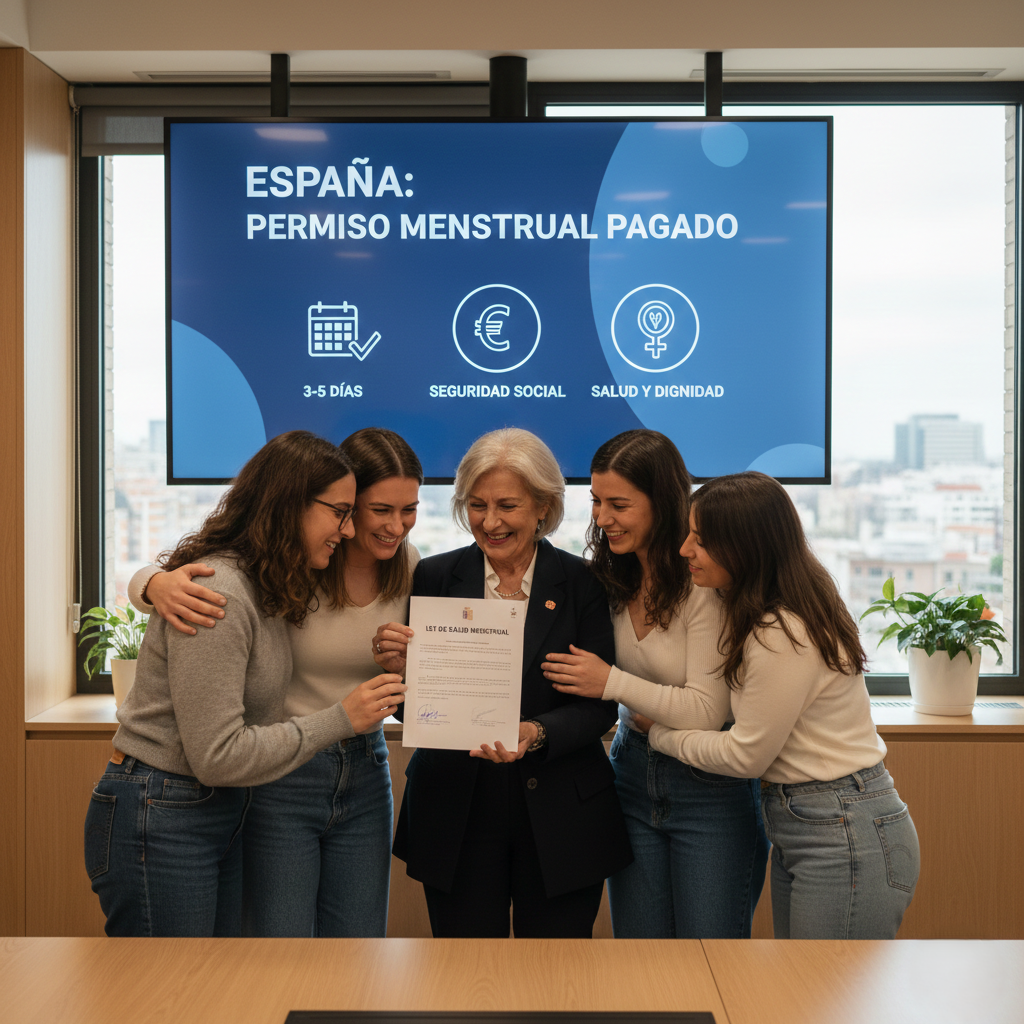
Spain has become the first country in Europe to officially approve paid leave for severe period pain.
This decision is being called historic—and for good reason.
What the New Menstrual Leave Law Allows
Under the new policy, individuals with medically confirmed menstrual symptoms can take:
- Three to five days of paid leave per month
- Time off when symptoms are severe
- Protected leave without risking income
Unlike regular sick leave, employers do not cover the cost.
Spain’s social security system pays for it instead.
That reduces pressure on businesses while protecting workers.
Why This Policy Matters
Menstrual pain is not just mild discomfort for many people.
Conditions like cramps, nausea, dizziness, and fatigue can be severe enough to stop normal activity.
Yet many continue working because they fear:
- Losing wages
- Facing workplace judgment
- Being seen as unreliable
This law recognizes menstrual health as a real medical issue—not something to hide.
Raising Awareness About Menstrual Disorders
The policy also shines light on serious conditions such as
- Endometriosis
- Polycystic ovary syndrome (PCOS)
- Chronic menstrual disorders
Endometriosis alone affects millions worldwide but often goes undiagnosed for years.
By formally recognizing menstrual pain, the government encourages:
- Earlier medical consultation
- Proper diagnosis
- Better long-term treatment
That could improve overall public health.
Health and Workplace Benefits
Experts believe this move could improve both well-being and productivity.
When people are forced to work through severe pain, performance often drops.
Offering protected leave can:
- Reduce stress
- Prevent burnout
- Improve long-term productivity
- Encourage honest health discussions
Healthy employees perform better over time.
Why Usage Has Been Limited So Far
Early reports suggest that only a small number of eligible workers have used the benefit.
Why?
Researchers point to
- Cultural discomfort around discussing menstruation
- Lack of awareness about the policy
- Fear of subtle workplace bias
Even when legal protections exist, social stigma can still hold people back.
Change takes time.
How Spain Compares Globally
Some countries in Asia and Africa have already introduced menstrual leave policies.
Spain’s decision is significant because it sets a precedent within Europe.
As conversations about gender equality and workplace health grow, other nations may reconsider how they support menstrual health.
This could spark broader global reform.
Addressing Gender Equality
Menstrual health has long been overlooked in workplace policy.
Supporters argue that ignoring it contributes to inequality.
Recognizing menstrual pain as legitimate:
- Promotes fairness
- Reduces stigma
- Validates real medical experiences
It shifts the conversation from silence to support.
FAQs
Is Spain really the first European country with paid menstrual leave?
Yes. Spain is the first European nation to approve state-funded paid leave specifically for severe menstrual pain.
How many days can someone take off?
Eligible individuals can take between three and five paid days per month, depending on medical confirmation.
Who pays for the leave?
The cost is covered by Spain’s social security system, not by employers.
Why aren’t many people using it yet?
Cultural stigma and limited awareness may discourage workers from requesting the leave.
Could other countries follow Spain?
Possibly. Spain’s move may influence future workplace health policies across Europe and beyond.
Final Thoughts
Spain’s paid menstrual leave law is more than just time off.
It’s about recognizing a health issue that millions deal with every month.
By offering protected, state-funded leave, Spain has opened the door to a new conversation about workplace fairness and medical reality.
Whether other countries follow remains to be seen.
But one thing is clear—menstrual health is finally entering policy discussions in a serious way.
