


Technology now connects almost every part of daily life. We bank online, book travel through apps, and access healthcare records digitally.
So naturally, digital identification systems sound like the next logical step. One secure ID for everything. Simple, fast, and efficient.
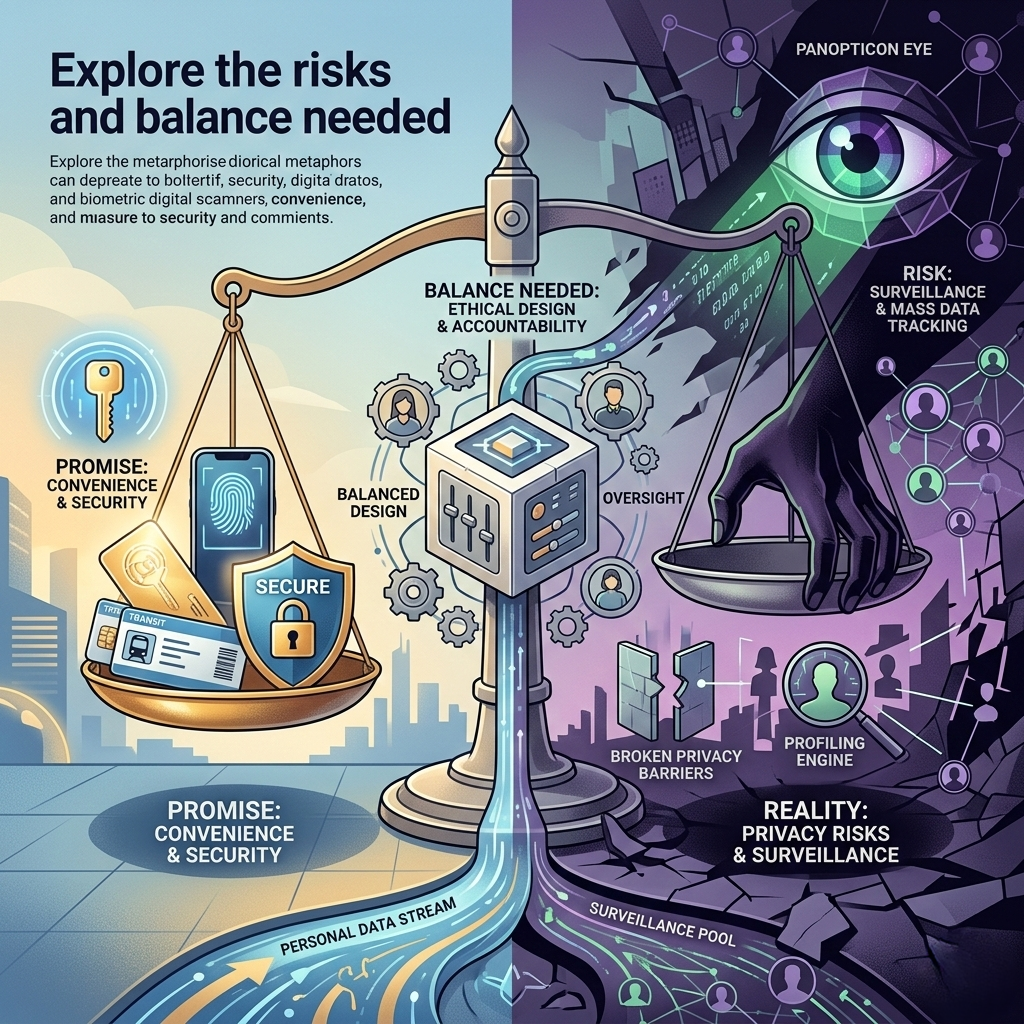
However, as convenience grows, so do concerns about privacy and surveillance.
The real question isn’t whether digital IDs are useful. Instead, it’s whether society can use them without sacrificing personal freedom.
What Is a Digital ID System?
A digital ID is a secure, electronic version of your identity.
Instead of carrying multiple documents, you use one verified digital credential for:
- Banking services
- Airport verification
- Healthcare access
- Government portals
- Online platforms
Countries like Estonia already use nationwide digital ID systems for public services. Meanwhile, the European Union is expanding digital identity frameworks across member states.
Clearly, the technology is not theoretical. It already exists.
Why Governments and Companies Support Digital IDs
Supporters argue that digital IDs improve both security and efficiency.
Here’s why many institutions favor them:
- Faster verification—identity checks become instant.
- Reduced fraud—Biometric authentication lowers impersonation risks.
- Simplified services—one login works across multiple systems.
- Cost savings—Digital processing reduces paperwork and overhead.
As a result, governments can deliver services more smoothly. Businesses can also verify users quickly and securely.
On the surface, it seems like a win for everyone.
Where Privacy Concerns Begin
However, critics see a deeper issue.
When identity, activity, and access all connect through one digital system, data concentration increases.
That means:
- More centralized storage
- More detailed tracking
- More behavioral data collection
Even if the goal is protection, the system still gathers sensitive personal information.
And once large datasets exist, misuse becomes a real possibility.
The Surveillance Debate: Protection vs. Monitoring
Digital IDs do not automatically mean surveillance. However, the infrastructure can make monitoring easier.
For example, if identity verification links to:
- Financial transactions
- Travel records
- Medical access
- Online behavior
Then patterns become visible.
Over time, this can blur the line between security and constant observation.
The debate is not about fear. Instead, it’s about safeguards.
Real-World Example: Gradual Shifts in Control
Consider how smartphone permissions evolved.
At first, apps requested basic access. Later, many began asking for location, contacts, camera, and microphone data.
Individually, each request seemed small. Collectively, they changed how personal data flows.
Similarly, small adjustments in digital ID policies could slowly reshape privacy norms.
Therefore, long-term thinking matters.
Benefits of Digital ID Systems
To stay balanced, we must acknowledge the advantages.
Digital IDs can:
- Help prevent identity theft
- Speed up disaster relief payments
- Improve border security
- Enable secure remote work
- Expand financial inclusion
For people without traditional identification, digital systems can increase access to banking and healthcare.
So clearly, the technology offers real value.
The Core Challenge: Transparency and Limits
The real issue is not digital identity itself. It is governance.
Strong digital ID frameworks require:
- Clear legal boundaries
- Independent oversight
- Transparent data policies
- Strict access controls
- User consent mechanisms
Without these protections, convenience may slowly replace autonomy.
With proper safeguards, however, digital IDs could enhance both security and freedom.
How Society Can Protect Privacy
Moving forward, responsible implementation should include:
- Data minimization—collect only what is necessary.
- Decentralization—Avoid single points of control.
- Encryption standards—protect stored and transmitted data.
- Public accountability—regular audits and open reporting.
- Right to opt-out—Preserve personal choice where possible.
Because technology evolves quickly, policies must evolve just as fast.
The Bigger Question: How Much Convenience Is Enough?
Every major technological shift requires trade-offs.
Cars improved mobility but introduced traffic laws. The internet improved communication but required cybersecurity rules.
Now digital identity systems raise a similar challenge.
How much convenience should society exchange for security?
That answer will shape the future of privacy.
FAQs
What are digital ID systems?
Digital ID systems provide a secure electronic version of personal identification for accessing services like banking, healthcare, and government portals.
Do digital IDs increase surveillance?
Not automatically. However, centralized systems can make tracking easier if safeguards and strict limits are not enforced.
Are digital IDs safer than physical documents?
They can be more secure due to encryption and biometrics. Still, security depends on system design and oversight.
Can digital IDs protect against fraud?
Yes. Properly implemented systems can reduce identity theft and impersonation risks.
How can privacy be protected in digital ID systems?
Through transparency, encryption, decentralized storage, and clear legal boundaries on data use.
Final Thoughts: Finding the Right Balance
Digital ID systems are neither purely good nor purely dangerous. They are powerful tools.
Used responsibly, they can simplify life and strengthen security. Mismanaged, they could centralize control and weaken privacy.
Therefore, the focus should not be fear or blind adoption. Instead, it should be balance, awareness, and accountability.
As digital systems expand, informed discussion becomes essential. The future of identity should empower individuals, not limit them.
