


Introduction
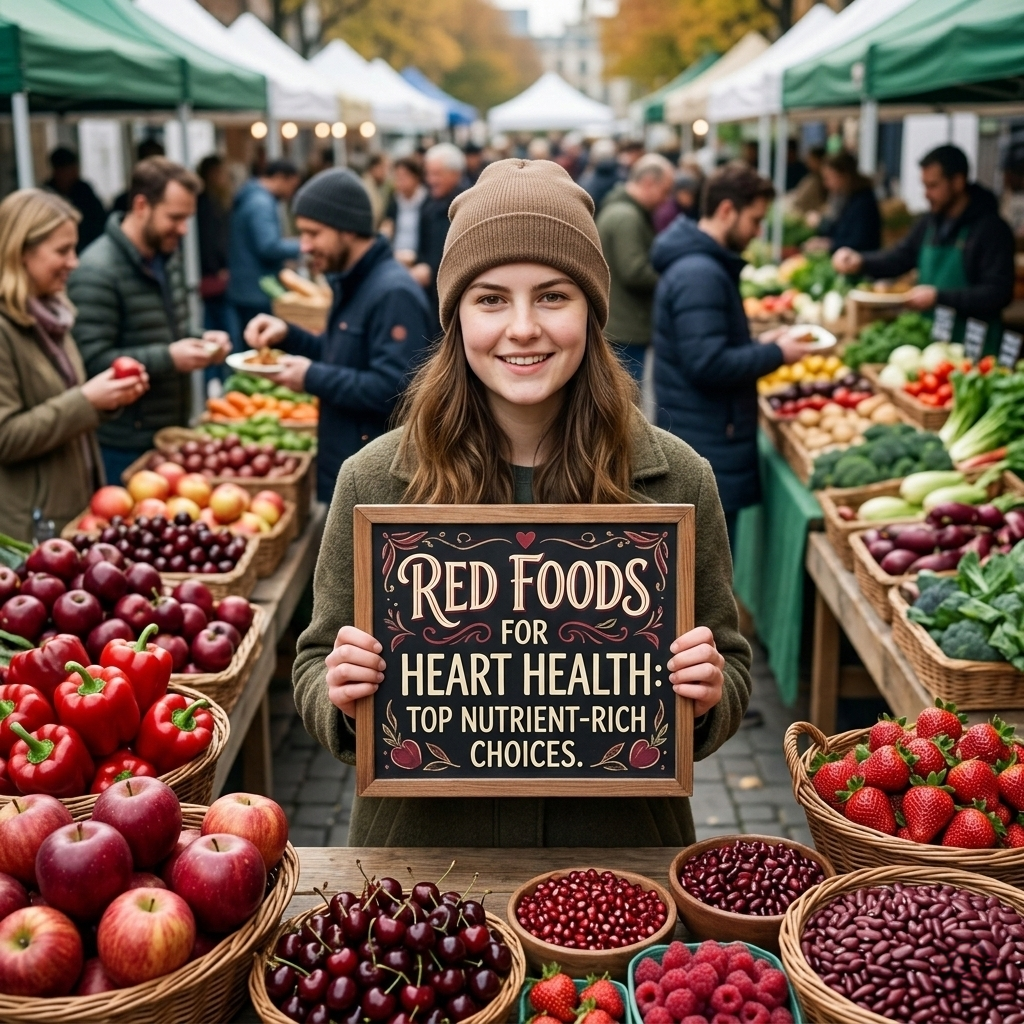
Bright red foods often stand out on a plate. However, their color is more than just attractive. Many red fruits and vegetables contain powerful nutrients that support heart health.
These foods are rich in natural antioxidants. Antioxidants help protect the body from harmful molecules that can damage cells and blood vessels.
Because of these protective compounds, adding red foods to your diet may help support a healthy cardiovascular system while providing fresh and flavorful meals.
Why Red Foods Are Good for the Heart
The vibrant color in many red foods comes from natural plant compounds. These compounds often act as antioxidants that support overall health.
Antioxidants help the body by:
- Reducing inflammation
- Protecting blood vessels
- Supporting healthy cholesterol levels
- Fighting oxidative stress
As a result, diets rich in colorful plant foods are often linked to better heart health.
Tomatoes: A Powerful Source of Lycopene
Tomatoes are one of the most well-known red foods associated with heart health.
Its bright color comes from lycopene, a strong antioxidant that researchers have studied for its potential cardiovascular benefits.
Benefits of Lycopene
Lycopene may help:
- Support healthy cholesterol balance
- Reduce inflammation in the body
- Protect blood vessels from oxidative damage
Cooking tomatoes can even increase lycopene availability, making foods like tomato sauce and soups nutritious choices.
Red Bell Peppers: Rich in Vitamin C
Another excellent heart-friendly food is the red bell pepper.
These colorful vegetables contain high levels of vitamin C, an essential nutrient that helps protect the body’s tissues and blood vessels.
Why Vitamin C Matters
Vitamin C plays several important roles:
- Strengthens blood vessel walls
- Supports the immune system
- Helps protect cells from oxidative stress
- Supports healthy skin and connective tissues
Because of these benefits, red bell peppers provide both heart and immune support.
Beetroot: Supporting Healthy Circulation
Beetroot has gained attention for its potential effects on circulation and blood flow.
Beets contain natural nitrates that the body converts into nitric oxide. This compound helps relax and widen blood vessels.
Circulation Benefits of Beetroot
Improved nitric oxide levels may:
- Support healthy blood pressure
- Improve circulation
- Enhance oxygen delivery throughout the body
Because of these properties, beetroot often appears in nutrition plans designed for heart health.
How to Add Red Foods to Your Daily Diet
Including heart-friendly foods does not require major diet changes. Instead, small adjustments can make meals both healthier and more colorful.
Simple Ideas to Try
- Add sliced tomatoes to salads or sandwiches
- Roast red bell peppers with vegetables
- Blend beetroot into smoothies or juices
- Use tomato-based sauces in pasta dishes
These simple additions provide valuable nutrients while keeping meals fresh and enjoyable.
Real-World Example: The Power of Colorful Diets
Nutrition experts often recommend eating a variety of colorful fruits and vegetables. Each color group provides different nutrients that support specific parts of the body.
Red foods focus strongly on heart health. Meanwhile, green vegetables often support detox processes, and orange foods provide vitamin A.
Because of this variety, balanced diets usually include many colorful plant foods.
FAQs
Why are red foods good for heart health?
Red foods often contain antioxidants such as lycopene and vitamin C. These compounds help protect blood vessels and support cardiovascular health.
Is tomato good for the heart?
Yes. Tomato contains lycopene, which researchers associate with improved heart health and reduced inflammation.
Can beetroot help blood circulation?
Yes. Beetroot contains natural nitrates that increase nitric oxide levels, which may help blood vessels relax and improve circulation.
How often should you eat red vegetables?
Including red vegetables several times per week can help provide antioxidants and important nutrients that support overall health.
Are cooked tomatoes healthier than raw ones?
Both are healthy, but cooking tomatoes may increase the availability of lycopene, making it easier for the body to absorb.
Final Thoughts
Red foods offer more than vibrant color. They provide valuable nutrients that help protect the heart and support overall health.
Foods like tomatoes, red bell peppers, and beetroot contain antioxidants, vitamins, and natural compounds that promote healthy blood vessels and circulation.
The best part is that adding these foods to your meals is simple. Small choices—such as including more colorful vegetables in daily dishes—can support long-term heart health.
Over time, these small habits can help build a balanced diet that nourishes both your body and your heart.
