


Introduction
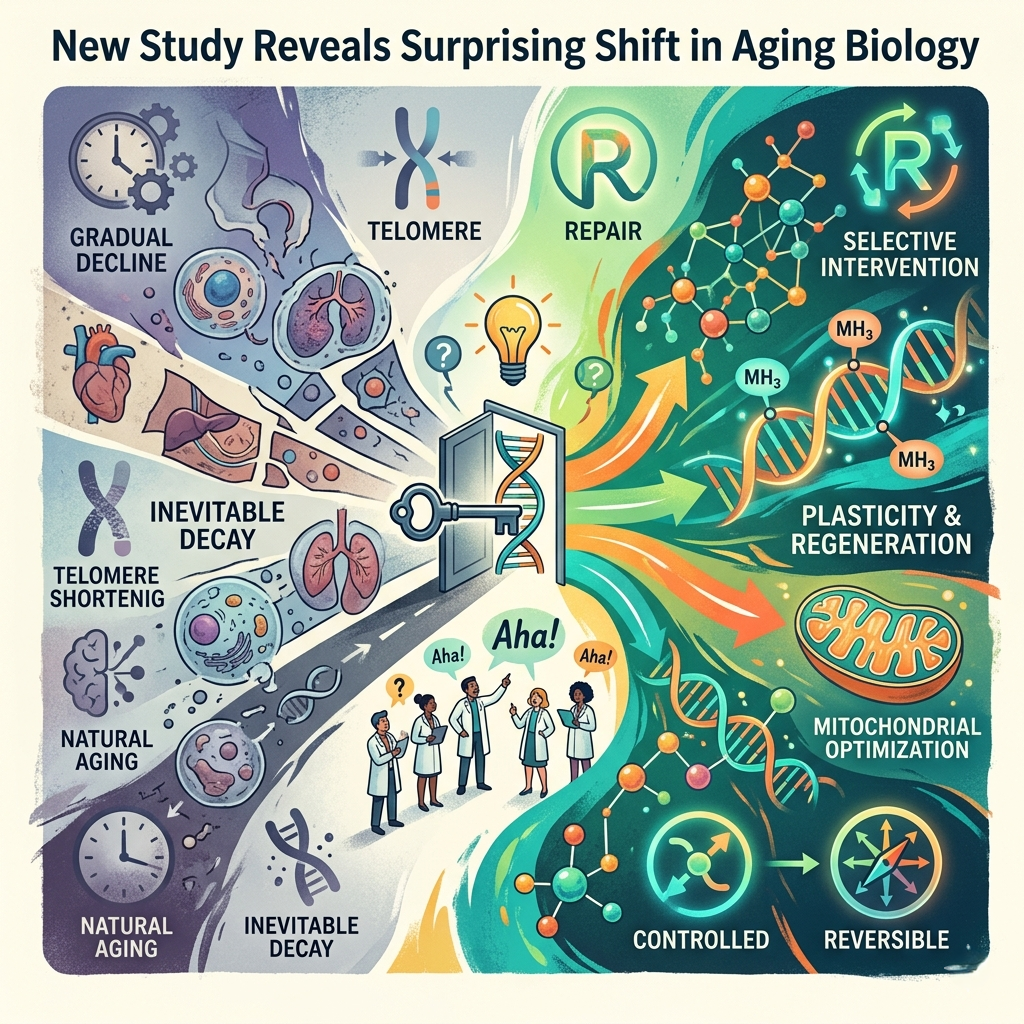
For decades, scientists viewed aging as an unavoidable biological process. However, new research suggests that aging may be more flexible than previously believed.
A small experimental study has reported surprising improvements in biological aging markers. During a short clinical program, researchers observed measurable changes linked to cellular health.
Although the results remain early, they are already sparking new discussions in longevity science. As a result, scientists are beginning to rethink how aging works at the molecular level.
What the Study Investigated
Researchers designed a nine-week clinical program involving 60 adult volunteers. Throughout the trial, participants received saline-like infusions in a controlled setting.
Meanwhile, scientists carefully monitored several biological indicators associated with aging.
These included:
- Epigenetic age score
- Cellular inflammation markers
- DNA stability indicators
Because these markers provide insights into cellular health, they help researchers estimate how quickly the body is aging biologically.
Key Findings from the Clinical Trial
After nine weeks, researchers observed measurable improvements in two important biological indicators.
1. Improvement in Epigenetic Age
Participants showed about a 14% improvement in their epigenetic age score.
Epigenetic age measures biological aging by examining chemical changes in DNA. In other words, it estimates how old cells appear biologically compared with chronological age.
As a result, a lower epigenetic age may suggest healthier cellular activity.
2. Reduction in Inflammation
Scientists also recorded a 27% drop in inflammation levels among participants.
Chronic inflammation is strongly linked to many age-related conditions. Therefore, a reduction in inflammatory markers could indicate improved cellular resilience.
Understanding Telomeres and Their Role in Aging
The study also focused on proteins connected to telomeres. These structures sit at the ends of chromosomes and protect DNA during cell division.
Over time, telomeres naturally shorten. Consequently, cells become more vulnerable to damage as they replicate.
Researchers believe the treatment may have temporarily influenced proteins that protect these telomeres.
This protective response may have triggered what scientists described as a temporary “shield mode.”
As a result, cells may have experienced less stress during DNA replication.
Why This Discovery Matters
Although the research remains preliminary, it raises an important question.
What if aging is not entirely fixed?
Traditionally, scientists believed aging followed an irreversible biological timeline. However, new discoveries in genetics and epigenetics are challenging that idea.
If future studies confirm these findings, researchers may eventually treat aging more like a manageable biological condition.
For example, future therapies could focus on:
- Slowing cellular damage
- Stabilizing DNA protection systems
- Reducing chronic inflammation
- Supporting long-term cellular health
Therefore, aging research may gradually shift from observation to active management.
The Growing Field of Longevity Science
In recent years, several scientific fields have joined forces to study aging more deeply.
These areas include:
- Genetics
- Epigenetics
- Cellular biology
- Longevity research
Together, these disciplines are helping scientists understand why some people age faster than others.
Consequently, researchers are now exploring ways to extend healthspan, not just lifespan.
Healthspan refers to the number of years people remain healthy and active during their lives.
Important Limitations of the Study
Despite the promising findings, experts emphasize that the research remains in an early stage.
Several limitations must be considered:
- Small sample size – Only 60 participants were involved.
- Short study duration – The trial lasted nine weeks.
- Further verification required—larger clinical studies are necessary.
Because of these factors, scientists cannot yet draw firm medical conclusions.
Nevertheless, the findings provide valuable insight that may guide future research.
Real-World Implications for Future Medicine
If future research confirms these results, aging science could shift in several important ways.
Instead of focusing only on treating age-related diseases, medicine may target the aging process itself.
Potential future approaches could include:
- Cellular repair therapies
- Telomere-protecting treatments
- Epigenetic reprogramming techniques
- Anti-inflammatory longevity interventions
Therefore, scientists may eventually develop strategies that help people stay healthier for longer.
FAQs
What is epigenetic age?
Epigenetic age measures biological aging by analyzing chemical changes in DNA. It helps scientists estimate how fast the body is aging at a cellular level.
Why are telomeres important?
Telomeres protect chromosomes during cell division. When they shorten over time, cells become more vulnerable to damage and aging.
Does this study prove aging can be reversed?
No. The study only observed changes in biological markers. Scientists still need larger studies before confirming whether aging can be slowed or modified.
How long did the clinical trial last?
The study lasted nine weeks and involved 60 adult volunteers.
Why is inflammation linked to aging?
Chronic inflammation can damage tissues and cells over time. Therefore, reducing inflammation may support healthier aging.
Final Thoughts
This small clinical study highlights how quickly aging science is evolving. Researchers observed measurable changes in epigenetic age and inflammation within just nine weeks.
Although the findings remain early, they open new possibilities for understanding human aging.
In the coming years, larger studies will determine whether these biological changes can lead to real medical breakthroughs.
For now, one thing is clear: scientists are moving closer to uncovering the complex mechanisms behind how and why we age.
