


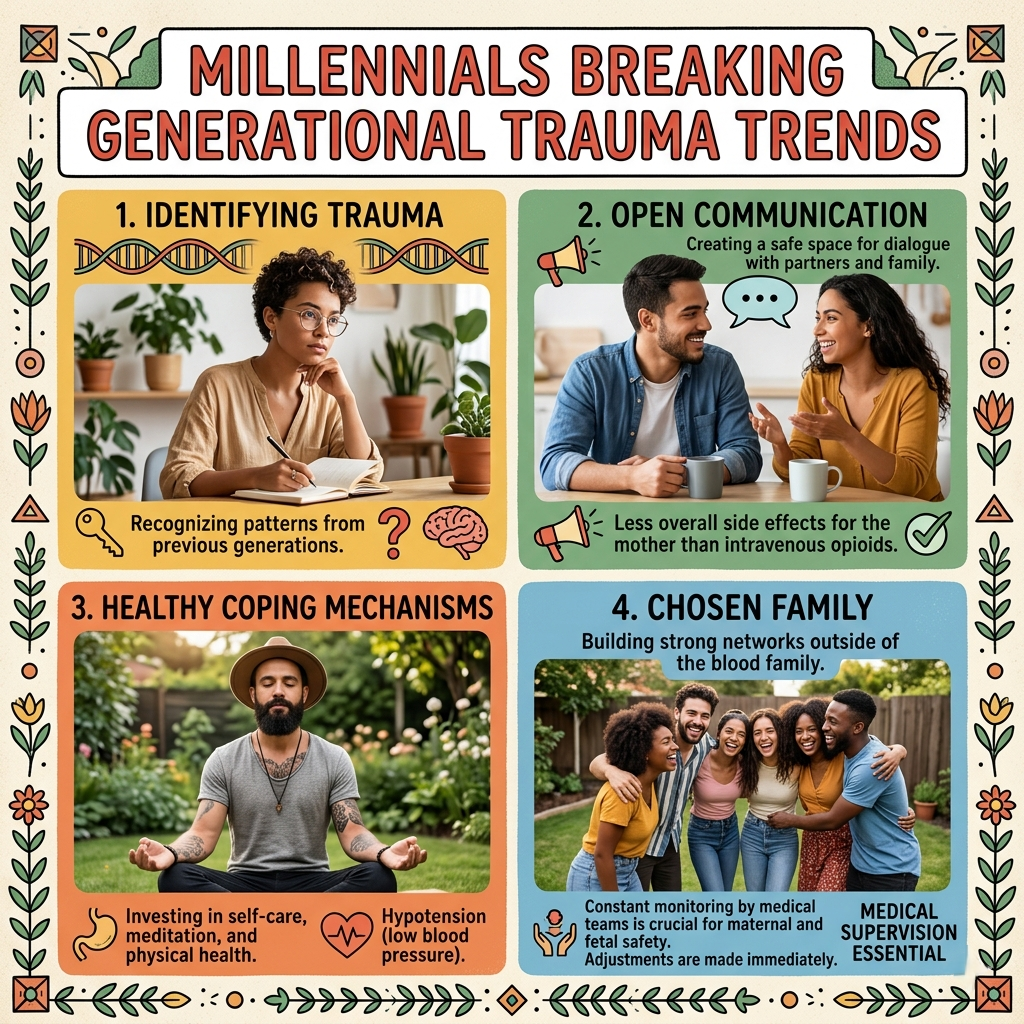
Introduction: A Quiet but Powerful Shift
Something important is changing. This time, it’s not about technology or careers—it’s about emotional health.
More millennials are taking a closer look at their past. Instead of ignoring old patterns, they are choosing to understand and fix them.
As a result, families are starting to look very different. And over time, this shift could reshape future generations.
What Is Generational Trauma?
Generational trauma refers to emotional struggles passed down from one generation to the next. Often, families don’t even notice it happening.
For example, strict parenting, emotional distance, or poor communication can quietly repeat over time.
This idea is closely studied in psychology, where experts examine how early experiences shape behavior later in life.
Why Millennials Are Leading This Change
Millennials are growing up in a different world. Today, mental health is no longer a taboo topic.
Because of this, more people feel comfortable asking for help and talking openly.
Key reasons behind this shift:
- Greater awareness
Mental health information is easier to access than ever - Acceptance of therapy
Seeking help is now seen as a strength, not a weakness. - Desire for change
Many want to avoid repeating harmful family patterns
As a result, this generation is more intentional about emotional growth.
The Role of Therapy and Self-Reflection
Therapy plays a major role in this transformation. It helps people understand their past and make better choices moving forward.
At the same time, self-reflection allows individuals to notice patterns in their behavior.
Common steps millennials are taking:
- Talking to therapists or counselors
- Learning emotional regulation skills
- Setting healthy boundaries
- Practicing open communication
Because of these efforts, many are building stronger emotional foundations.
How This Affects Parenting Styles
When people heal, their parenting naturally changes. This is where the biggest impact becomes clear.
Instead of repeating old habits, many millennials are choosing a more supportive approach.
Modern parenting focuses on:
- Listening instead of controlling
- Guiding instead of punishing
- Supporting emotional expression
- Building trust and connection
As a result, children grow up feeling safer and more understood.
Real-Life Example: Breaking the Cycle
Consider a parent who grew up in a strict household with little emotional support.
In the past, they might repeat the same style. However, after therapy and self-work, they choose a different path.
Now, they:
- Encourage their child to share feelings
- Stay calm during conflict
- Explain decisions instead of enforcing rules harshly
This simple shift can completely change a child’s experience.
Long-Term Benefits for Children
Research shows that emotionally supportive homes create lasting advantages.
Children raised this way often:
- Handle stress more effectively
- Develop stronger thinking skills
- Build healthier relationships
- Face lower risk of mental health issues
Over time, these benefits can shape not just individuals but entire communities.
Challenges Along the Way
Although this journey is powerful, it is not easy.
Healing takes time, patience, and honesty. Sometimes, it also means facing uncomfortable truths.
Common challenges include:
- Emotional setbacks
- Lack of family support
- Financial barriers to therapy
- Difficulty changing deep habits
However, despite these struggles, many continue the work because the outcome is worth it.
Why This Shift Matters for the Future
This movement is bigger than one generation. It’s about changing how families function over time.
As more people break unhealthy patterns, future generations may grow up with stronger emotional tools.
In other words, the impact doesn’t stop today—it carries forward.
FAQs About Millennials and Mental Health
1. What is generational trauma in simple terms?
It’s when emotional struggles or unhealthy behaviors pass from parents to children over time.
2. Why are millennials more focused on mental health?
Because awareness is higher, and therapy is more accepted today.
3. Can therapy really change parenting?
Yes, it helps people understand themselves, which improves how they raise their children.
4. Is breaking trauma easy?
No, it takes effort and time, but the long-term benefits are significant.
Conclusion: A Healthier Legacy
Millennials are doing something powerful. Instead of passing down pain, they are choosing to pass down healing.
Step by step, they are creating homes built on understanding, patience, and connection.
And in the end, that may be the most valuable thing anyone can give—a healthier, more peaceful future.
