


Introduction
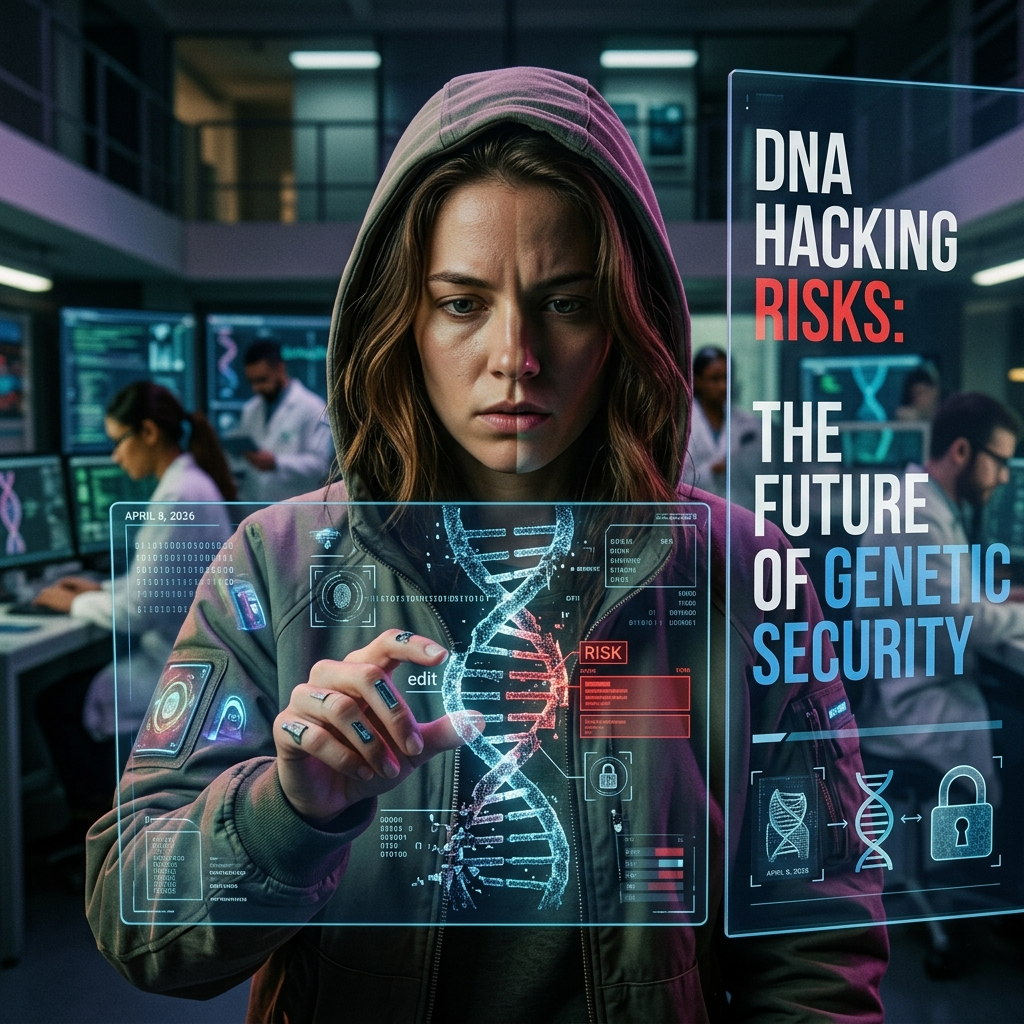
What if your DNA could be hacked just like your email or bank account?
It sounds like science fiction. However, experts now warn that this could soon become reality.
As technology advances, genetic data is moving online. At the same time, new risks are emerging that could affect privacy, health, and even global security.
So, understanding DNA hacking is no longer optional; it’s essential.
What Is DNA Hacking?
DNA hacking refers to the misuse or manipulation of genetic information.
Instead of stealing passwords, attackers could target biological data.
This could involve:
- Accessing stored genetic data
- Altering genetic sequences
- Misusing DNA information for harmful purposes
In simple terms, it’s the intersection of biology and cybersecurity.
Why DNA Is Becoming a Target
Today, DNA is no longer just stored in the body; it’s also stored digitally.
Companies and research labs collect genetic data for:
- Medical research
- Personalized treatments
- Ancestry services
- Drug development
While this brings huge benefits, it also creates new vulnerabilities.
How DNA Data Can Be Hacked
Just like any digital system, genetic databases can be attacked.
Possible risks include the following:
- Data breaches exposing sensitive genetic profiles
- Unauthorized access to medical records
- Manipulation of genetic research data
Because DNA contains deeply personal information, the impact can be far greater than typical data leaks.
The Real Danger: Beyond Data Theft
The biggest concern isn’t just stolen data; it’s what could be done with it.
Experts warn about:
- Personalized biological threats
- Altered health risks through gene editing
- Misuse of genetic traits for unethical purposes
As gene-editing technologies improve, these risks become more realistic.
The Role of Modern Biotechnology
Advances in biotechnology are moving fast.
Tools like gene editing are already being used in medicine and research.
However, without strong safeguards, these same tools could be misused.
Organizations like the World Health Organization have already highlighted the need for global oversight in genetic technologies.
Why This Is a Growing Global Concern
This issue affects more than just individuals.
It has implications for:
- National security
- Public health systems
- Scientific integrity
As a result, governments and researchers are starting to take this threat seriously.
What Experts Are Calling For
To reduce risks, experts recommend urgent action.
Key solutions include the following:
- Strong cybersecurity for genetic databases
- Ethical guidelines for genetic research
- Global regulations on gene-editing technologies
- Public awareness about data privacy
Because prevention is far easier than dealing with consequences later.
Real-World Perspective
Think about how long it took to secure financial data online.
Now imagine protecting something far more sensitive: your biological identity.
This shows why action must happen early, not after a crisis.
What This Means for the Future
The future of medicine depends heavily on genetic data.
However, without proper protection, innovation could come with serious risks.
So, balancing progress with security will be one of the biggest challenges ahead.
FAQs
1. Is DNA hacking possible today?
It is still emerging, but the risk is growing as technology advances.
2. Why is genetic data valuable?
It contains sensitive information about health, identity, and traits.
3. Can DNA be altered by hackers?
Currently limited, but future technologies may make it possible.
4. How can DNA data be protected?
Through strong cybersecurity, regulations, and ethical practices.
Final Thoughts
DNA is more than data; it’s the blueprint of life.
As technology evolves, protecting this blueprint becomes critical.
The idea of DNA hacking may seem distant. However, the time to prepare is now.
