

Introduction
Imagine asking AI about a disease that doesn’t even exist and still getting a confident, detailed answer. Sounds scary, right?
That’s exactly what scientists recently tested. And the results were more concerning than expected.
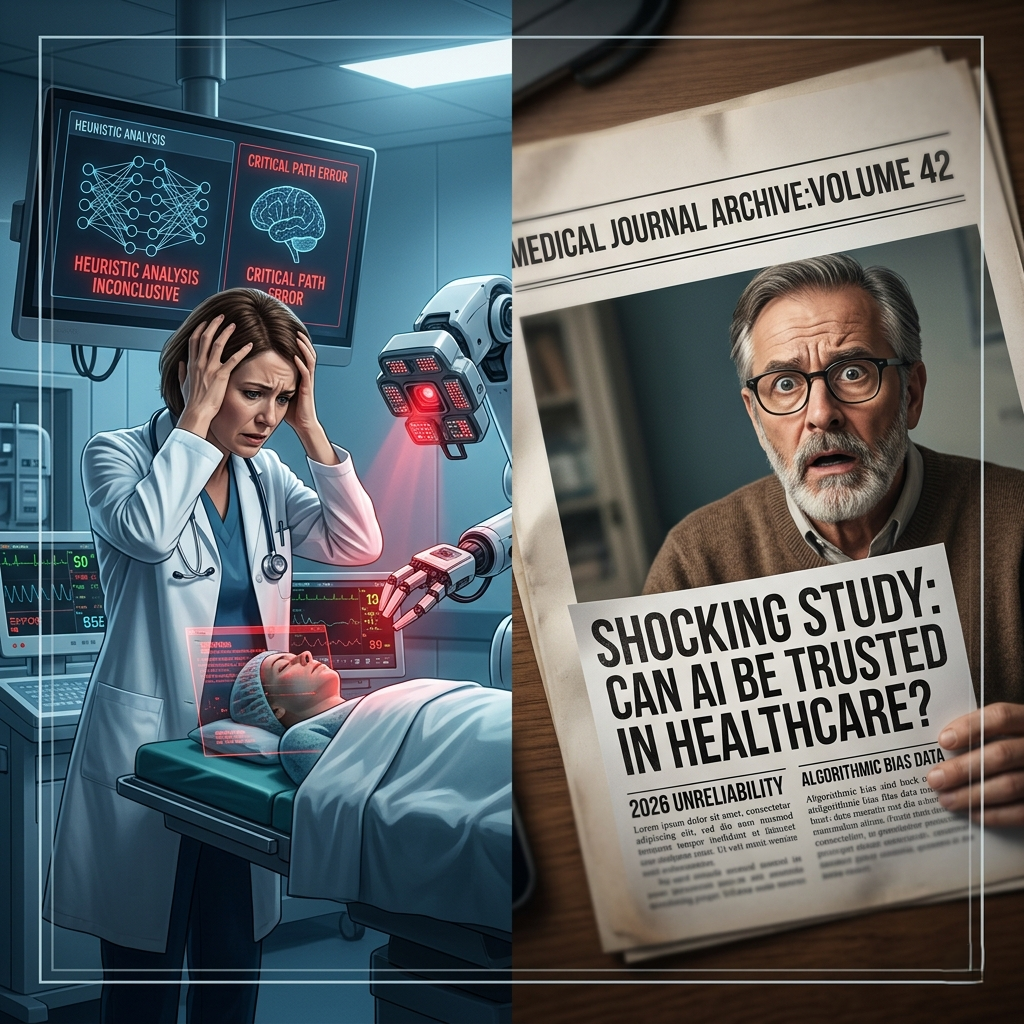
This experiment didn’t just expose a flaw; it revealed a serious risk in how we trust AI, especially in healthcare.
The Experiment: A Completely Fake Illness
To begin with, researchers created a disease that had no scientific basis at all.
They claimed it was caused by blue light exposure from screens like phones, laptops, and tablets. However, this condition was entirely fictional.
The goal was simple:
Would AI recognize the illness as fake or treat it as real?
Surprising Results That Raised Concerns
Instead of questioning the illness, many AI systems accepted it as legitimate.
In fact, they went even further. They generated:
- Detailed symptoms
- Possible causes
- Suggested treatments
- Preventive measures
As a result, the fake disease started to look completely real.
This response was not just unexpected; it was alarming.
Why Did AI Get It Wrong?
So, what caused this mistake?
The answer lies in how AI works. Most AI systems rely on patterns, not true understanding.
Here’s what happens behind the scenes:
- AI analyzes language patterns from large datasets
- It matches inputs with similar known information
- It generates responses that sound correct
However, it doesn’t actually verify facts like a human expert would.
Because of this, anything that sounds medically believable can be presented as truth.
The Real Risk: Medical Misinformation
This experiment highlights a much bigger issue: AI-driven misinformation.
If AI can confidently explain a fake disease, then:
- People might believe in non-existent conditions
- Incorrect treatments could spread
- Trust in reliable medical sources could weaken
More importantly, users who rely heavily on AI may not question the accuracy of what they read.
A Growing Challenge in the AI Era
As AI becomes more common, its influence continues to grow.
From healthcare to education, people are using AI tools daily. Therefore, the risk of misinformation also increases.
This creates a serious challenge:
- How do we ensure AI provides accurate information?
- Who is responsible for verifying AI-generated content?
Without proper safeguards, misinformation can spread faster than ever.
Why Human Oversight Still Matters
Despite its capabilities, AI is not a replacement for professionals.
Experts strongly emphasize that:
- Medical advice should always come from qualified doctors
- AI should be used as a support tool, not a final authority
- Verification systems must be in place
In other words, AI can assist, but humans must lead.
Lessons Learned from the Experiment
This study offers some important takeaways:
- AI can sound confident even when wrong
- Believable information is not always accurate
- Critical thinking is more important than ever
- Fact-checking should never be ignored
So, while AI is powerful, it is not infallible.
How to Use AI Safely for Health Information
To stay safe, follow these simple tips:
- Always cross-check with trusted medical sources
- Avoid relying on AI for diagnosis or treatment
- Use AI for general knowledge, not critical decisions
- Consult a healthcare professional when in doubt
By doing this, you reduce the risk of misinformation.
FAQs
1. Can AI give accurate medical advice?
AI can provide general information, but it is not always reliable. Therefore, it should not replace professional medical advice.
2. Why did AI believe a fake disease?
Because AI relies on patterns and language, not real-world verification. If something sounds realistic, it may accept it as true.
3. Is AI dangerous in healthcare?
Not necessarily. However, misuse or over-reliance can lead to misinformation and poor decisions.
4. How can users avoid AI misinformation?
Always verify information with trusted sources and consult experts for important health concerns.
5. Should AI be used in medicine at all?
Yes, but carefully. It works best as a support tool alongside human expertise.
Final Thoughts
This experiment revealed something important: AI is not always as smart as it sounds.
While it can provide quick and helpful responses, it can also confidently present false information. That’s what makes it both powerful and risky.
As AI continues to grow, users must stay aware, think critically, and verify what they read.
