


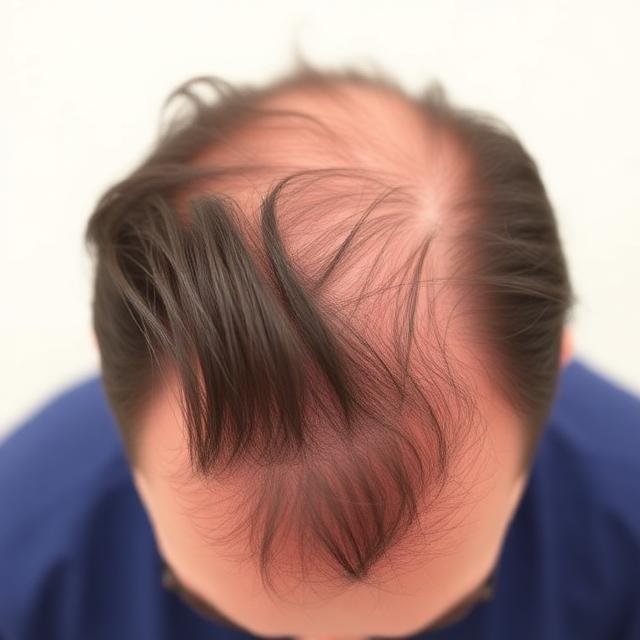
Introduction: A New Ally in the Fight Against Hair Loss
Hair loss treatments have remained largely unchanged for decades. But new research suggests a plant-based compound could significantly improve existing solutions.
Scientists have identified stevioside, derived from the stevia plant, as a potential enhancer for Minoxidil one of the most widely used hair-loss treatments worldwide.
The findings could mark an important step toward more effective, gentler therapies.
What Is Stevioside and Why Does It Matter?
A Natural Compound With Pharmaceutical Potential
Stevioside is a naturally occurring compound found in Stevia rebaudiana, commonly used as a sugar substitute.
Beyond its sweetness, researchers discovered stevioside may improve drug solubility, allowing medications to penetrate the skin more efficiently.
This property caught scientists’ attention in hair-loss research.
How the Study Was Conducted
Microneedle Patches and Targeted Delivery
Researchers tested stevioside alongside Minoxidil using a dissolvable microneedle patch applied directly to the scalp of mice.
This method allows medication to:
- Bypass surface skin barriers
- Reach hair follicles directly
- Deliver consistent doses over time
The approach improves absorption without increasing drug strength.
Hair Regrowth Results After 35 Days
Combined Treatment Outperformed Minoxidil Alone
After 35 days, the difference was striking.
- Mice receiving Minoxidil alone regrew hair on about 25% of bald areas
- Mice receiving Minoxidil plus stevioside showed regrowth on nearly 66% of bald regions
The combination significantly outperformed the standard treatment.
Why Stevioside Enhances Minoxidil
Better Solubility, Better Results
Minoxidil’s effectiveness depends on how well it penetrates the skin.
Researchers found stevioside:
- Improves Minoxidil’s solubility
- Enhances skin absorption
- Helps the drug reach dormant follicles
This improved delivery may explain the stronger regrowth response.
Reactivating Dormant Hair Follicles
Triggering the Growth Phase
Once absorbed, the combined treatment appeared to stimulate inactive hair follicles, pushing them back into the active growth phase.
Hair growth occurs in cycles, and many hair-loss conditions trap follicles in a resting state.
Reactivating those follicles is key to visible regrowth.
Why This Research Is Important
Improving Results Without Harsher Chemicals
One of the most promising aspects of this study is what it avoids.
Instead of:
- Increasing Minoxidil concentration
- Adding aggressive chemical enhancers
Researchers used a plant-based compound to amplify effectiveness naturally.
This could mean fewer side effects in future treatments.
Animal Studies vs. Human Application
What We Know So Far
It’s important to note that results are currently limited to animal studies.
Before human use:
- Clinical trials are required
- Safety and dosage must be confirmed
- Long-term effects need evaluation
Still, animal results often guide early-stage medical innovation.
Real-World Comparison: Smarter Delivery, Not Stronger Drugs
This approach mirrors advances in other medical fields.
For example:
- Microneedles improve vaccine delivery
- Targeted patches enhance pain management
- Controlled-release systems reduce side effects
Hair-loss treatment may be entering the same smarter-delivery era.
Frequently Asked Questions (FAQs)
Is stevioside safe for humans?
Stevioside is widely used in food, but medical applications require separate safety testing.
Can this replace Minoxidil?
No. The research focuses on enhancing, not replacing, Minoxidil.
When could this reach the market?
Human trials are still needed, so real-world use may take several years.
Does this mean better results without higher doses?
Potentially yes, which is one of the most exciting aspects of the study.
Conclusion: A Natural Boost With Big Potential
The discovery of stevioside’s role in enhancing Minoxidil opens new possibilities for hair-loss treatment.
By improving drug delivery rather than increasing chemical strength, scientists may offer more effective solutions with fewer drawbacks.
While human trials are still ahead, this research represents a promising step toward next-generation, plant-assisted hair regrowth therapies.
