


Introduction
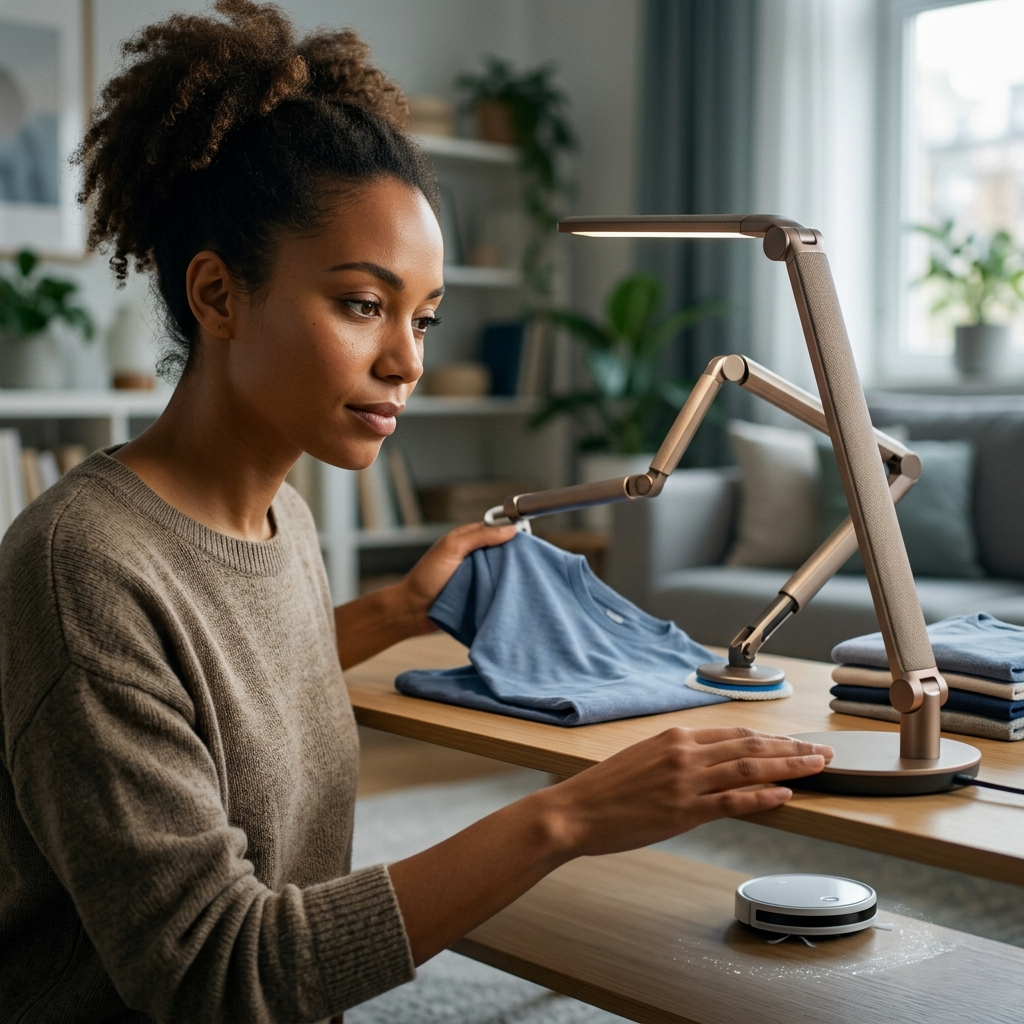
Imagine a lamp that does more than just light up your room. At first glance, it looks normal. However, with a simple command, it turns into a helpful robot.
That’s exactly what this new device offers.
The Syncere Lume is a smart home innovation that combines furniture, robotics, and artificial intelligence into one device.
So, how does it actually work, and is it worth the hype?
What Is the Lume Smart Lamp?
The Lume is not just another smart gadget. Instead, it’s designed to blend into your home like everyday furniture.
Most of the time, it works as the following:
- A bedside lamp
- A floor lamp
- A normal lighting device
However, when activated, it transforms into something much more powerful.
How the Lume Transforms Into a Robot
Once you give a command, the magic begins.
You can activate it using:
- Voice commands
- A mobile app
- Motion detection
After that, hidden robotic arms and a camera emerge from inside the lamp.
Because of this design, it stays invisible until needed.
What Tasks Can It Actually Do?
This is where things get interesting.
The Lume can handle light household chores such as the following:
- Folding laundry
- Picking up clothes
- Straightening bedsheets
- Adjusting pillows
While it won’t replace full cleaning robots yet, it still saves time on small daily tasks.
The Technology Behind Lume
The system uses a mix of advanced technologies.
Key components include the following:
- Artificial Intelligence (AI): Trained on real human folding patterns
- Computer Vision: Helps recognize fabrics and objects
- Robotic Arms: Perform physical tasks carefully
As a result, the device understands how to handle soft materials like clothes without damaging them.
Why This Device Stands Out
There are many smart home devices today. However, Lume offers something unique.
Here’s what makes it different:
- Blends into normal home decor
- Works only when needed
- Combines lighting and robotics
- Reduces visible clutter from gadgets
Therefore, it solves both function and design problems at the same time.
Pricing and Availability
Currently, the Lume is still in the pre-order stage.
Pricing details:
- Standard version: Around $1,499
- Duet version (dual arms): Around $2,499
The “Duet” version offers more advanced task handling, especially for bigger loads.
Real-World Use Case
Think about your daily routine.
After a long day, instead of folding clothes or fixing your bed, you could simply say the following:
👉 “Start cleaning”
Within minutes, the device handles basic tasks while you relax.
Because of this, it’s especially useful for:
- Busy professionals
- Smart home enthusiasts
- People looking to save time
Limitations to Consider
Even though the idea is exciting, it’s not perfect yet.
Current limitations:
- Still in pre-order phase
- Limited to light chores
- High price point
- Real-world performance yet to be fully tested
So, it’s important to keep expectations realistic.
The Future of Smart Furniture
Devices like Lume show where technology is heading.
Instead of separate gadgets, we are moving toward the following:
- Multi-purpose furniture
- Hidden robotics
- Seamless home automation
In the future, your home might be filled with objects that quietly help you without standing out.
FAQs
1. Is the Lume smart lamp available now?
No, it is currently in the pre-order stage and not widely available yet.
2. Can it fully clean a room?
Not completely. It handles light tasks like folding clothes and adjusting bedding.
3. Is it safe to use around children?
Safety details are still limited, so users should wait for full testing results.
4. What makes it different from other robots?
It hides inside a lamp and blends into furniture, unlike traditional robots.
5. Is the price worth it?
It depends on your needs. Early adopters may find it valuable, but others may prefer to wait.
Final Thoughts
The Syncere Lume is a glimpse into the future of smart homes. It combines design, AI, and robotics in a way we haven’t seen before.
While it’s still early, the concept is powerful.
If this technology improves over time, it could completely change how we interact with everyday objects.
