


Introduction
Clean water is becoming harder to find in many parts of the world.
Engineers in the United States are exploring a bold idea making drinking water directly from air.
While these systems cannot create unlimited water, they offer a powerful new option.
Especially for areas facing drought, pollution, or poor infrastructure.
What Is Atmospheric Water Generation?
Atmospheric water generation is a technology that captures moisture from the air.
That moisture is then turned into liquid water safe for drinking.
Air always contains water vapor, even in dry climates.
The challenge is collecting it efficiently and safely.
How These Systems Turn Air into Water
Capturing Water Vapor
There are two main ways to pull water from air:
- Cooling air until water condenses
- Using special materials that absorb and release moisture
Both methods focus on turning invisible vapor into liquid water.
Purification Process
Once collected, the water is filtered and purified.
This ensures it meets drinking water standards and is safe to use.
Different Types of Atmospheric Water Generators
Refrigeration-Based Systems
These systems cool air, similar to how an air conditioner works.
When air cools, moisture condenses into water droplets.
They work best in warm, humid environments.
Sorbent-Based Systems
Newer designs use moisture-absorbing materials.
These materials capture water even in drier air.
They are showing strong results in lab and pilot tests.
How Much Water Can They Produce?
Despite online claims, these machines do not produce endless water.
Output depends on several factors:
- Humidity levels
- Temperature
- Energy availability
Higher humidity usually means higher water output.
Why This Technology Matters Now
Water scarcity is becoming a global crisis.
Climate change, droughts, and pollution are straining traditional sources.
Atmospheric water generation offers:
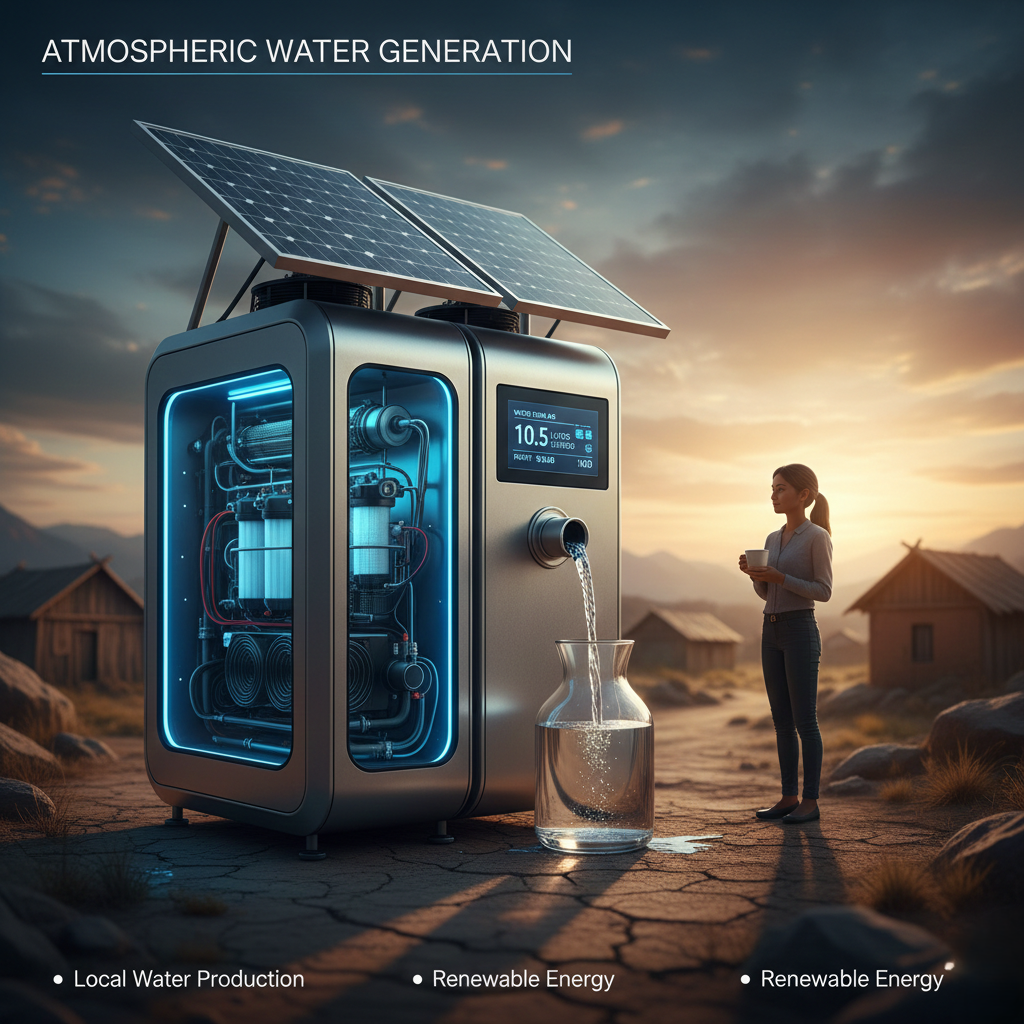
- Local water production
- Reduced reliance on pipelines
- Support for remote or disaster-hit areas
It works best as a supplement, not a replacement.
Energy Use and Sustainability Challenges
Energy consumption is one of the biggest concerns.
Some systems require significant power to operate.
To improve sustainability, engineers are testing:
- Solar-powered designs
- More efficient materials
- Lower-energy condensation methods
These improvements aim to cut costs and emissions.
Environmental Impact: Pros and Cautions
Environmental Benefits
Pulling water from air does not drain groundwater.
This helps protect underground aquifers in dry regions.
Possible Concerns
Experts warn against uncontrolled large-scale use.
Removing too much moisture could affect local air balance.
Careful planning and testing are essential.
What Experts Say About the Future
Scientists see strong potential in this technology.
However, they stress realistic expectations.
Atmospheric water generators are tools, not miracles.
Used wisely, they can strengthen water resilience.
FAQs About Atmospheric Water Generation
Can these systems work everywhere?
They work best where humidity is moderate to high.
Is the water safe to drink?
Yes, after proper filtration and purification.
Can they replace traditional water systems?
No, they are meant to support existing solutions.
Are solar-powered models possible?
Yes, many designs already include solar energy.
Conclusion: A Promising Step Toward Water Security
Atmospheric water generation shows how smart engineering can help solve real problems.
It won’t create infinite water, but it can expand access where it’s needed most.
With responsible use and continued innovation, water from air could become a valuable part of our future.
