


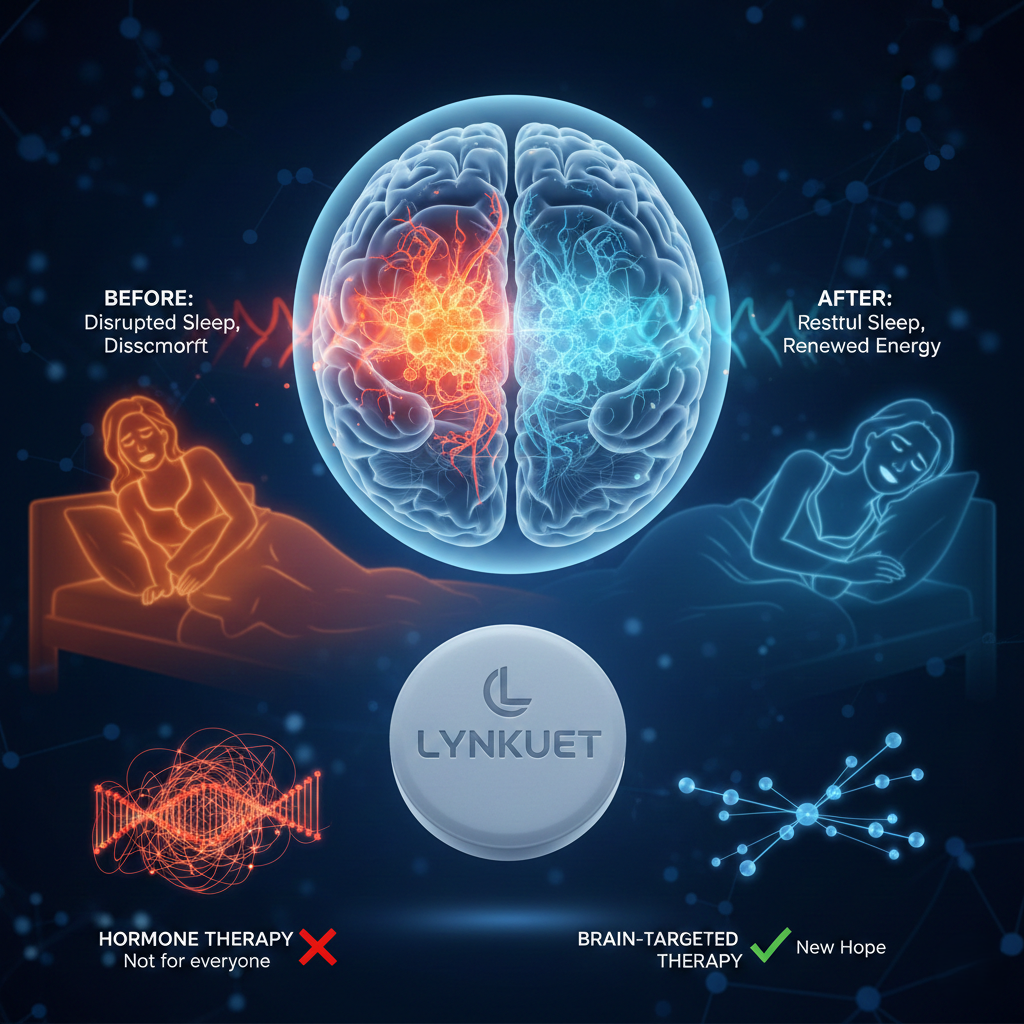
Hot flashes can feel sudden, overwhelming, and impossible to control.
For many cancer survivors, they are more than just uncomfortable. They disrupt sleep, affect mood, and make daily life exhausting.
Now, a new brain-focused treatment is changing how doctors manage severe temperature spikes—without using hormones.
Why Hot Flashes Happen
Hot flashes are not random.
They start in a small but powerful area of the brain called the hypothalamus.
This region works like your body’s internal thermostat. It keeps your temperature stable throughout the day.
When signals in this area become overactive, the body suddenly thinks it is too hot.
That triggers:
- Rapid warmth spreading through the chest and face
- Sweating
- Flushing
- Increased heart rate
For many women and cancer survivors, this can happen multiple times a day.
The Limits of Hormone Therapy
For years, doctors used estrogen-based treatments to reduce hot flashes.
They can work well. But they are not safe for everyone.
Many cancer survivors—especially those with hormone-sensitive cancers—cannot take estrogen.
This leaves them with limited options and ongoing discomfort.
A New Approach: Targeting the Brain Directly
A new therapy called Lynkuet takes a completely different path.
Instead of adjusting hormone levels, it works directly on nerve cells inside the hypothalamus.
This means it targets the root cause of temperature spikes rather than masking symptoms.
How Lynkuet Works
Inside the hypothalamus are specific neurons that control heat regulation.
When these neurons become overstimulated, they send signals that trigger a hot flash.
Lynxet calms these signals.
In simple terms, it helps reset the brain’s thermostat so it stops sending false “overheating” alerts.
Why This Is a Big Deal for Cancer Survivors
For patients who cannot use hormone therapy, this is a major step forward.
This brain-targeted method:
- Avoids hormonal pathways
- Reduces the risk linked to estrogen treatments
- Focuses directly on nervous system signaling
- Offers relief without affecting cancer-related treatments
Regulatory updates about this therapy have been reported by the U.S. Food and Drug Administration.
Real-World Impact: What This Could Mean
Imagine waking up several times every night drenched in sweat.
Now imagine sleeping through the night again.
For many survivors, relief from hot flashes means:
- Better sleep
- Improved mood
- Higher energy levels
- More comfort at work and social events
Small improvements in temperature control can lead to big changes in quality of life.
Brain-Based vs Hormone-Based Treatments
Here’s a simple comparison:
| Hormone Therapy | Brain-Targeted Therapy |
|---|---|
| Uses estrogen | Non-hormonal |
| Not safe for some cancer survivors | Designed for sensitive medical histories |
| Works through hormonal pathways | Works through neural pathways |
| May carry hormone-related risks | Avoids hormone exposure |
This shift toward neuroscience-based solutions reflects a larger trend in modern medicine—treating conditions at their neurological source.
FAQs
Is this treatment safe for cancer survivors?
It was specifically developed as a non-hormonal option, making it suitable for many patients who cannot take estrogen. Always consult your doctor.
Does it replace hormone therapy?
Not necessarily. It provides an alternative for people who cannot use hormone treatments or prefer non-hormonal options.
How quickly does it work?
Response times can vary. Clinical guidance from healthcare providers will determine proper expectations.
Is it FDA approved?
Regulatory updates have been reported by the U.S. Food and Drug Administration. Check with your healthcare provider for the latest approval status.
Does it cure hot flashes permanently?
It is designed to manage and reduce symptoms by targeting the brain’s temperature signals, not permanently cure the underlying condition.
Final Thoughts
Hot flashes can deeply affect daily life, especially for cancer survivors with limited treatment options.
By focusing on the brain instead of hormones, this new approach offers hope for safer and more targeted relief.
Targeting neurons in the hypothalamus represents a meaningful shift in how temperature-related symptoms are treated.
As medical science moves forward, brain-based therapies like Lynkuet could redefine comfort and quality of life for millions.
