


Introduction
For years, many drivers have worried about one thing: battery life. If the battery fails early, the whole idea of owning an electric car feels risky.
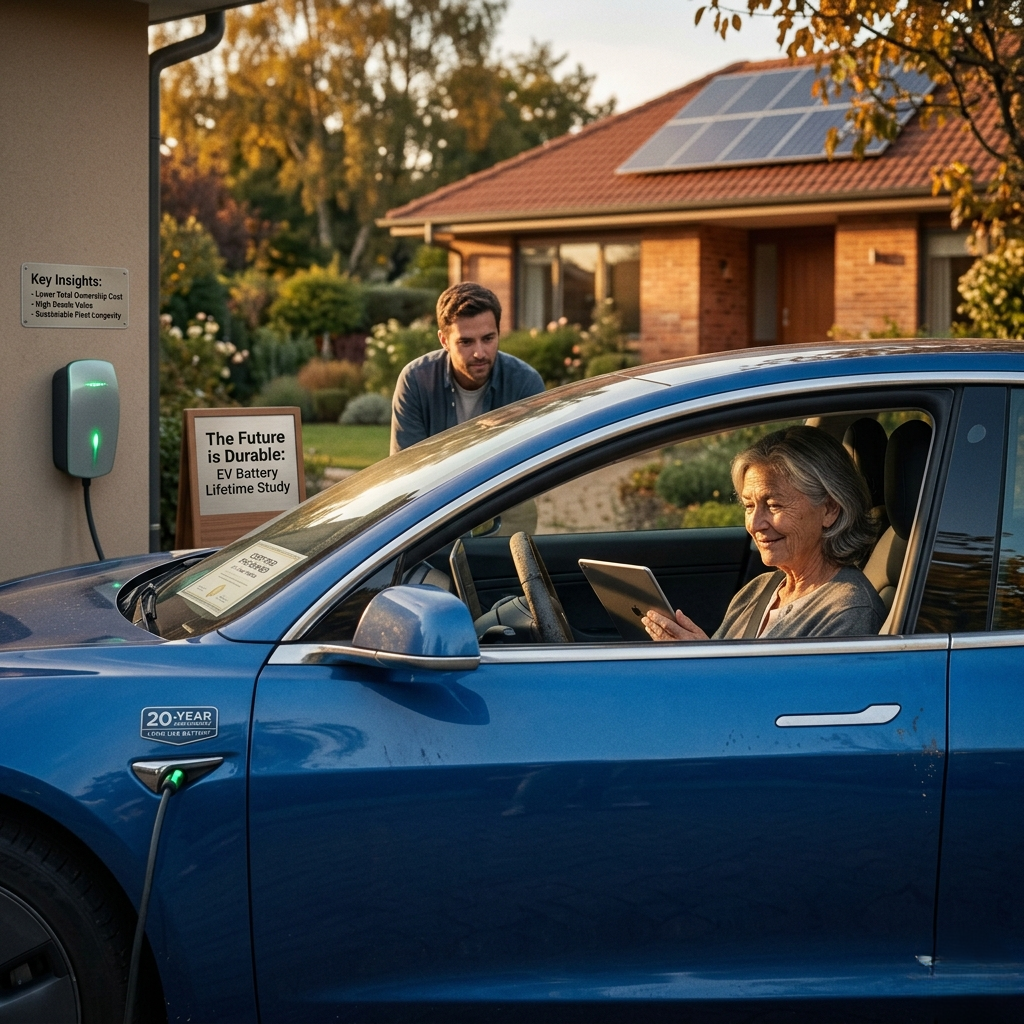
Now, a new EV battery life study is changing that story. It suggests batteries may last over 20 years with very little wear.
That’s a big shift. And honestly, it could change how people think about electric cars.
What the Latest EV Battery Study Reveals
A recent study looked at more than 10,000 electric vehicles. The results were surprisingly positive.
Key Findings
- Batteries can last 20+ years
- Degradation is slower than expected
- Performance stays stable over time
In simple terms, EV batteries may outlast the cars themselves.
Why Battery Life Matters So Much
Let’s be real: the battery is the heart of an electric vehicle. It’s also the most expensive part.
So naturally, buyers ask the following:
- How long will it last?
- Will I need a replacement?
- Is it worth the investment?
If batteries truly last decades, these concerns start to fade.
Lower Ownership Costs Over Time
Here’s where things get interesting.
Longer battery life means the following:
- Fewer replacements
- Lower maintenance costs
- Better long-term savings
Compared to gasoline cars, EVs already have fewer moving parts. Now, with stronger battery durability, the cost advantage becomes even clearer.
Boost in Resale Value and Buyer Confidence
When people trust a product, they’re more willing to buy it.
If EV batteries last longer:
- Used EV prices may increase
- Buyers feel more confident
- More people switch from fuel cars
This creates a positive cycle: more trust leads to more adoption.
Real-World Factors Still Matter
Of course, not every battery will age the same way.
Several factors can affect battery life:
- Climate (extreme heat or cold)
- Charging habits (fast vs slow charging)
- Driving style (aggressive vs smooth)
- Battery chemistry
So while the study shows a strong trend, individual results may vary.
Supporters vs Critics: Why Opinions Differ
Supporters see this study as proof that EVs are ready for long-term use.
On the other hand, critics argue that
- Not all EVs are built the same
- Real-world conditions can differ
- Long-term data is still growing
Both sides have a point. That’s normal with any major technology shift.
Bigger Impact on the EV Industry
This isn’t just about one study. It affects the entire EV ecosystem.
Key Areas Influenced
- Charging infrastructure investments
- Car manufacturing strategies
- Used EV market growth
- Environmental discussions
As confidence grows, the whole industry moves forward faster.
Real-World Example
Many early EV owners have already reported strong battery performance after years of use.
For instance, some models from Tesla have shown minimal battery loss even after high mileage.
This kind of real-world data supports what studies are now confirming.
EVs vs Gasoline Cars: Long-Term View
Let’s compare the long-term picture:
| Factor | Gas Cars | Electric Vehicles |
|---|---|---|
| Engine wear | High | Low |
| Maintenance | Frequent | Minimal |
| Fuel cost | Ongoing | Reduced |
| Lifespan | Moderate | Potentially longer |
Clearly, EVs are becoming strong long-term competitors.
What This Means for the Future
As more data becomes available, opinions are starting to shift.
People are moving from:
- “Are EVs reliable?”
to - “When should I switch?”
That’s a big mindset change, and it’s happening faster than expected.
FAQs
1. How long do EV batteries really last?
Recent studies suggest they can last over 20 years with minimal degradation.
2. Do EV batteries lose capacity over time?
Yes, but the loss is usually slow and manageable. Most batteries retain strong performance for years.
3. Is replacing an EV battery expensive?
It can be, but with longer battery life, replacements may not be needed for decades.
4. Are EVs better than gasoline cars long-term?
In many cases, yes. They offer lower maintenance and potentially longer lifespans.
Final Thoughts
This EV battery life study is more than just good news; it’s a turning point. It shows that electric cars are not just a trend but a practical long-term solution.
Of course, real-world conditions still matter. But overall, the direction is clear: EVs are becoming more reliable, more affordable, and more trusted.
👉 If you’ve been unsure about switching to an electric car, now might be the right time to take a closer look.
