


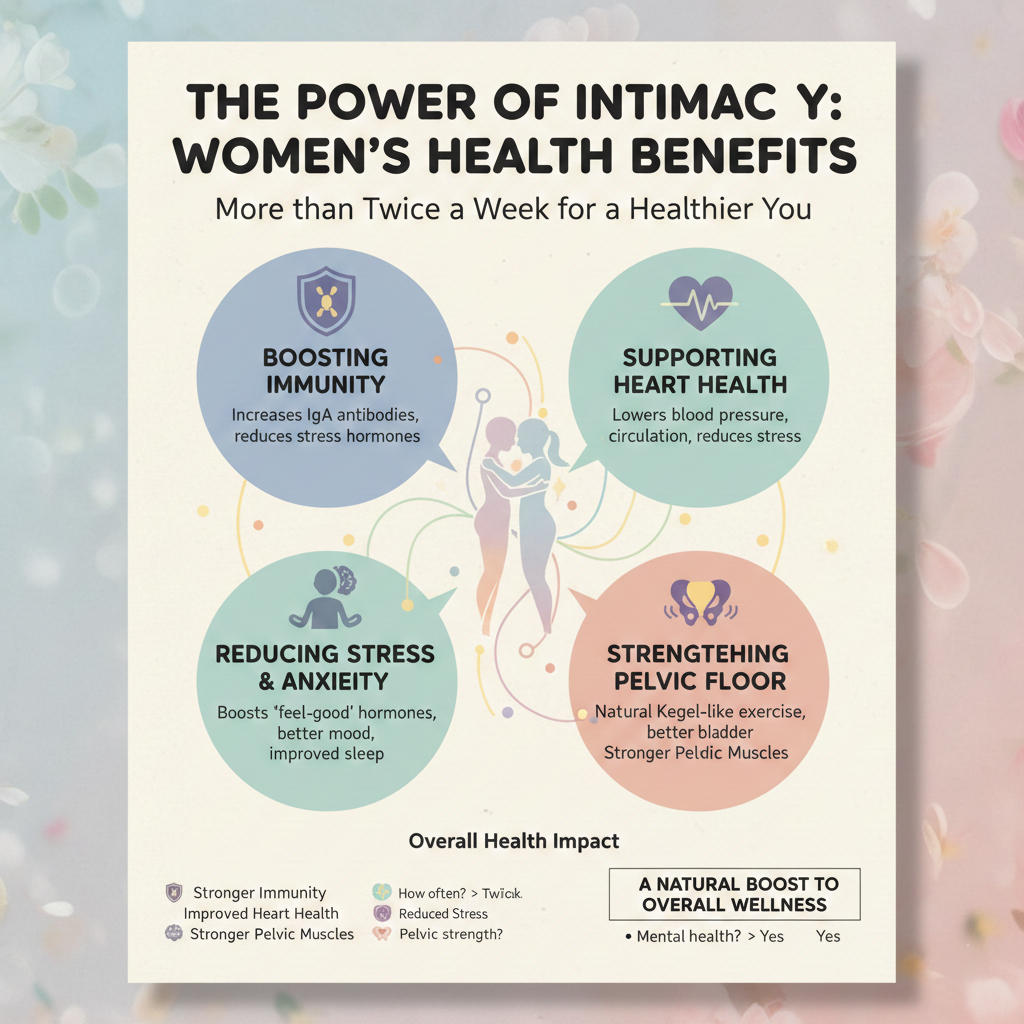
Research suggests that having intercourse more than twice a week can support both physical and emotional well-being in women.
From stronger immunity to better heart health, regular intimacy provides a wide range of benefits that go beyond pleasure.
Boosting Immunity
One major advantage is enhanced immune function.
- Sexual activity increases immunoglobulin A (IgA), an antibody that helps the body fight infections.
- Hormones like oxytocin and endorphins released during intimacy reduce stress and improve sleep, both of which strengthen the immune system.
Supporting Heart Health
Sexual activity is also good for the heart:
- It raises the heart rate, similar to light exercise
- Improves blood circulation
- Helps lower blood pressure and reduce stress
- Emotional bonding during intimacy may also protect against heart-related issues
Reducing Stress and Anxiety
Frequent intercourse can have a calming effect:
- “Feel-good” hormones released during sexual activity lower cortisol, the main stress hormone
- Leads to better mood, deeper emotional connection, and improved sleep
These combined effects help the body relax and recover, promoting long-term mental well-being.
Strengthening the Pelvic Floor
Sexual activity naturally exercises pelvic muscles:
- During arousal and orgasm, muscles tighten and contract
- Acts like gentle Kegel exercises
- Benefits include better bladder control, increased sexual pleasure, and a lower risk of pelvic floor issues
The Overall Health Impact
Combining all these effects, frequent sexual activity offers a natural boost to overall wellness:
- Stronger immunity
- Improved heart health
- Reduced stress and anxiety
- Stronger pelvic muscles
Even short, regular sessions can have meaningful long-term benefits for women’s health and quality of life.
Frequently Asked Questions (FAQs)
How often should women have sex for health benefits?
Studies suggest that more than twice a week can provide measurable benefits, though any sexual activity can be helpful for well-being.
Can sexual activity improve mental health?
Yes. Hormones released during intimacy, such as oxytocin and endorphins, reduce stress and promote emotional connection, which supports mental health.
Is pelvic floor strength really affected by sex?
Yes. The muscle contractions during arousal and orgasm act like natural Kegel exercises, helping maintain pelvic health.
Final Thoughts
Regular intimacy is more than a source of pleasure—it’s a natural way to support immunity, heart health, stress reduction, and pelvic strength.
For women seeking to boost overall wellness, incorporating frequent sexual activity into a healthy lifestyle can offer both physical and emotional rewards.
