


Introduction
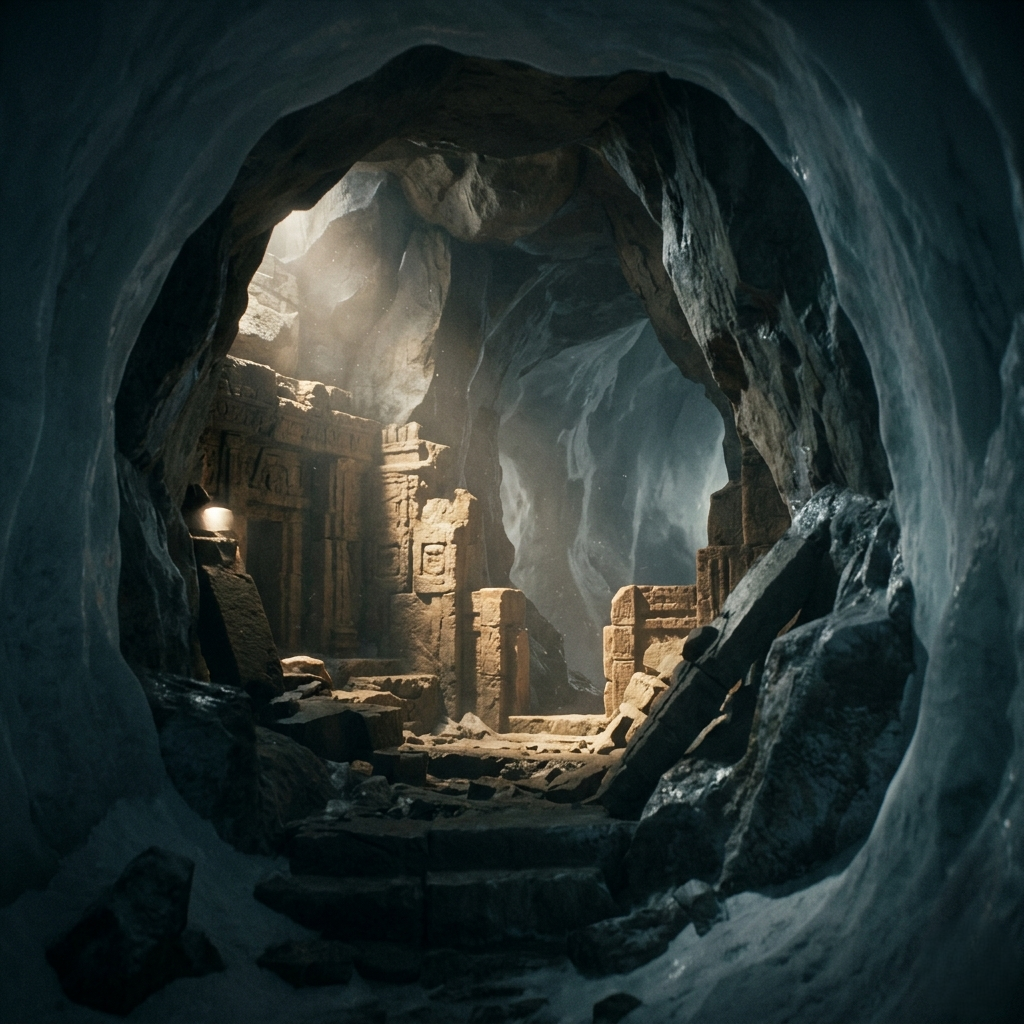
What if an entire world were hidden beneath ice untouched for millions of years?
It sounds like science fiction. However, scientists have actually discovered a massive ancient landscape buried deep under Antarctic ice.
This frozen world has remained unchanged for around 34 million years, offering a rare glimpse into Earth’s distant past.
Let’s explore what they found and why it matters.
A Lost World Beneath the Ice
Deep below the ice sheet in East Antarctica, researchers uncovered a huge landscape roughly the size of Maryland.
This discovery was made in the Wilkes Land region using advanced technology.
What scientists found:
- A 12,000-square-mile hidden terrain
- Massive highland blocks
- Valleys nearly 4,000 feet deep
- Ancient river-carved features
In simple terms, this area looks like a frozen snapshot of a world that existed long before Antarctica turned into ice.
How Scientists Discovered It
Since the landscape is buried under more than a mile of ice, researchers couldn’t see it directly.
Instead, they used:
- Satellite observations
- Ice-penetrating radar
These tools allowed them to map the land beneath the ice without disturbing it.
As a result, they revealed details that had been hidden for millions of years.
What Antarctica Was Like Millions of Years Ago
Today, Antarctica is cold, dry, and covered in ice.
However, this discovery tells a very different story.
Back then, the region likely had:
- A much warmer climate
- Flowing rivers
- Possibly forests and plant life
- Diverse ecosystems
So, instead of ice, this land may once have supported life.
Why This Landscape Is So Well Preserved
Normally, glaciers move and grind away the land beneath them.
However, in this case, something unusual happened.
Key reason:
- The ice here is extremely cold and slow-moving
Because of this, the landscape stayed almost perfectly preserved like a natural time capsule.
Why This Discovery Matters
This isn’t just an interesting find; it’s a scientific breakthrough.
Here’s why it’s important:
- Helps scientists understand Earth’s ancient climate
- Provides clues about how ice sheets formed
- Offers insight into long-term environmental changes
Researchers now plan to drill into the ice to collect soil samples.
These samples may contain organic material, which could reveal even more about Earth’s past.
Real-World Impact: Understanding Climate Change
This discovery connects directly to today’s climate concerns.
By studying ancient environments, scientists can better predict future changes.
For example:
- How ice sheets respond to warming
- How ecosystems adapt over time
- What long-term climate shifts look like
So, this frozen world may help us understand our future.
Scientific Source Behind the Discovery
The research was published in Nature Communications by scientists including Stewart S. R. Jamieson and colleagues.
Their work highlights how modern technology can uncover secrets hidden deep within our planet.
FAQs
1. How old is the discovered landscape?
It is estimated to be around 34 million years old.
2. Where is this hidden world located?
It lies beneath the East Antarctic Ice Sheet in Wilkes Land.
3. Why hasn’t it been destroyed by glaciers?
Because the ice above it is very cold and moves extremely slowly.
4. What will scientists do next?
They plan to drill into the ice to collect soil samples for further study.
Final Thoughts
The discovery of this ancient landscape beneath Antarctic ice is like opening a window into Earth’s past.
It reminds us that our planet still holds many hidden secrets waiting to be uncovered.
At the same time, it shows how science and technology continue to push the boundaries of what we know.
