


Most people enjoy plums for their sweet, juicy taste.
However, scientists are now looking at them for a different reason.
Recent research suggests that plums contain powerful plant compounds that may support cellular health. While studies are still early, the findings are definitely interesting.
Let’s break it down in a simple and clear way.
What Makes Plums Special?
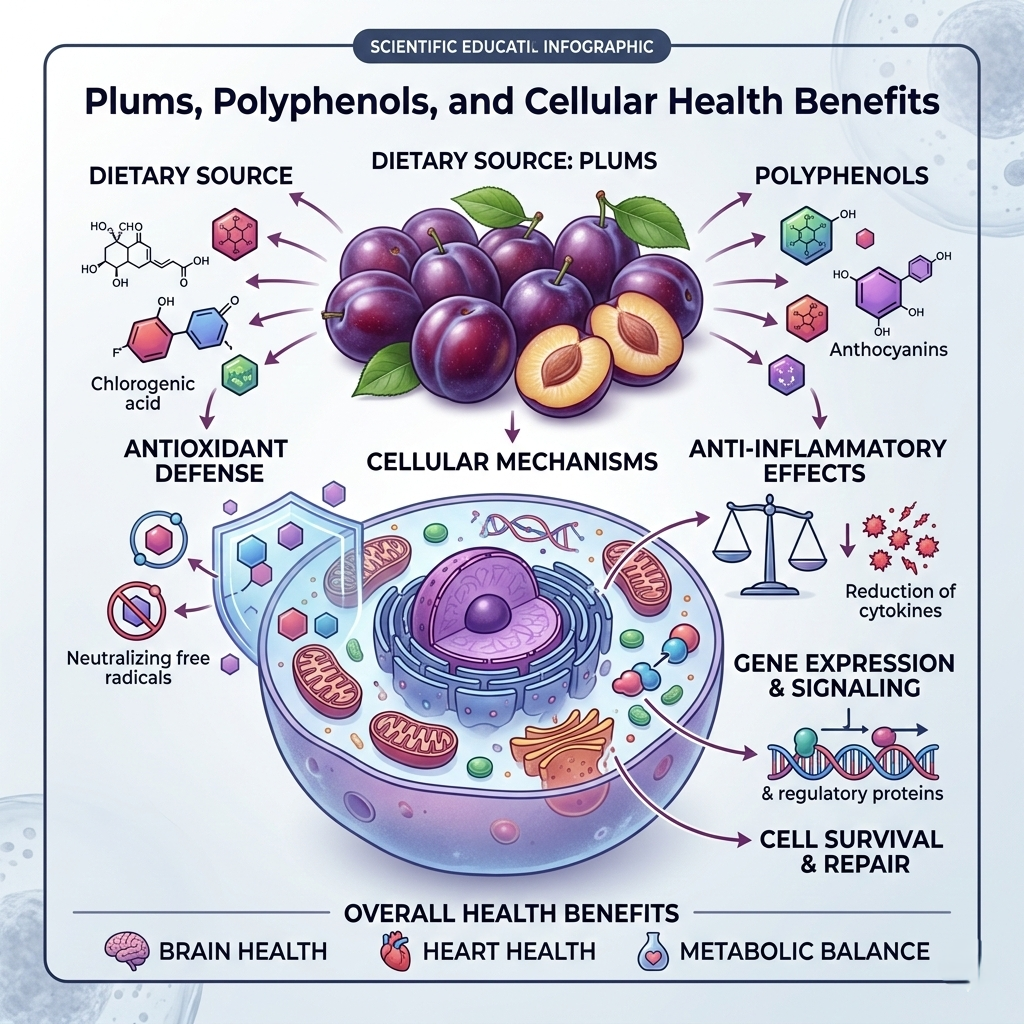
Plums are rich in natural plant compounds called polyphenols. These substances help protect plants from damage. At the same time, they may also support human health.
Two important polyphenols found in plums include the following:
- Chlorogenic acid
- Quercetin
Both are known for their antioxidant and anti-inflammatory properties.
Because oxidative stress and chronic inflammation are linked to many diseases, researchers are exploring how these compounds may help protect cells.
Understanding Apoptosis: The Body’s Natural Cleanup System
Our bodies constantly remove damaged or abnormal cells.
This process is called apoptosis.
Think of apoptosis as a natural recycling system. It helps the body stay balanced by clearing out cells that no longer function properly.
Laboratory studies suggest that certain plum polyphenols may encourage this natural process. As a result, scientists are studying how this effect could support long-term cellular health.
However, most of this evidence comes from controlled lab settings, not large human trials.
How Plums May Influence Inflammation and Oxidative Stress
Cells experience daily stress from pollution, poor diet, and normal metabolism. Over time, this stress can damage DNA and tissues.
Plums contain antioxidants that may:
- Neutralize free radicals
- Reduce inflammation markers
- Support healthy cellular pathways
Because of this, researchers are investigating how plum compounds interact with biological systems related to inflammation.
Still, it’s important to remember that eating plums alone cannot prevent or treat serious diseases.
What Does This Mean for Cancer Prevention?
Some early research suggests that polyphenols may influence pathways linked to abnormal cell growth. Therefore, scientists are examining how diets rich in plant-based foods support overall health.
That said, no single food can cure or treat cancer.
Large health organizations consistently emphasize:
- Balanced nutrition
- Regular physical activity
- Avoiding tobacco
- Maintaining a healthy weight
Plums can be part of a healthy diet. However, they are not a medical treatment.
Real-World Perspective: Diet Patterns Matter More Than One Food
Studies on long-term health show that people who eat more fruits and vegetables tend to experience better outcomes.
For example:
- Mediterranean-style diets emphasize plant foods.
- Diets rich in antioxidants often link to lower chronic disease risk.
This suggests that overall dietary patterns matter far more than any single fruit.
Therefore, adding plums to a balanced diet makes sense — but expecting dramatic medical effects would be unrealistic.
Why Ongoing Research Matters
Nutrition science continues to evolve. As researchers study everyday foods, they uncover how natural compounds support the body’s protective systems.
Plums offer:
- Fiber for digestive health
- Vitamin C for immune support
- Polyphenols for antioxidant protection
Together, these nutrients may contribute to overall wellness when combined with healthy habits.
FAQs
Do plums kill cancer cells?
No. Some laboratory studies explore how plum compounds affect cells in controlled environments. However, plums cannot treat or cure cancer.
What are polyphenols in plums?
Polyphenols are plant-based antioxidants. In plums, compounds like chlorogenic acid and quercetin may help reduce oxidative stress.
Is apoptosis good for the body?
Yes. Apoptosis is a natural process that removes damaged or abnormal cells to maintain balance.
Should I eat plums for disease prevention?
Plums can be part of a healthy diet. However, overall lifestyle choices matter more than any single food.
Final Thoughts
Plums are more than just a tasty fruit. They contain plant compounds that researchers are studying for their potential role in cellular health.
While early findings are promising, most evidence remains in laboratory stages. Therefore, it’s important to keep expectations realistic.
Instead of focusing on one “superfood,” aim for a balanced, plant-rich diet. Combine that with exercise, sleep, and regular medical checkups.
That simple approach supports your body far more than any single fruit ever could.
