


Introduction
Nature solves problems in many different ways. Some species evolve tools for creativity and control. Others develop structures built purely for survival.
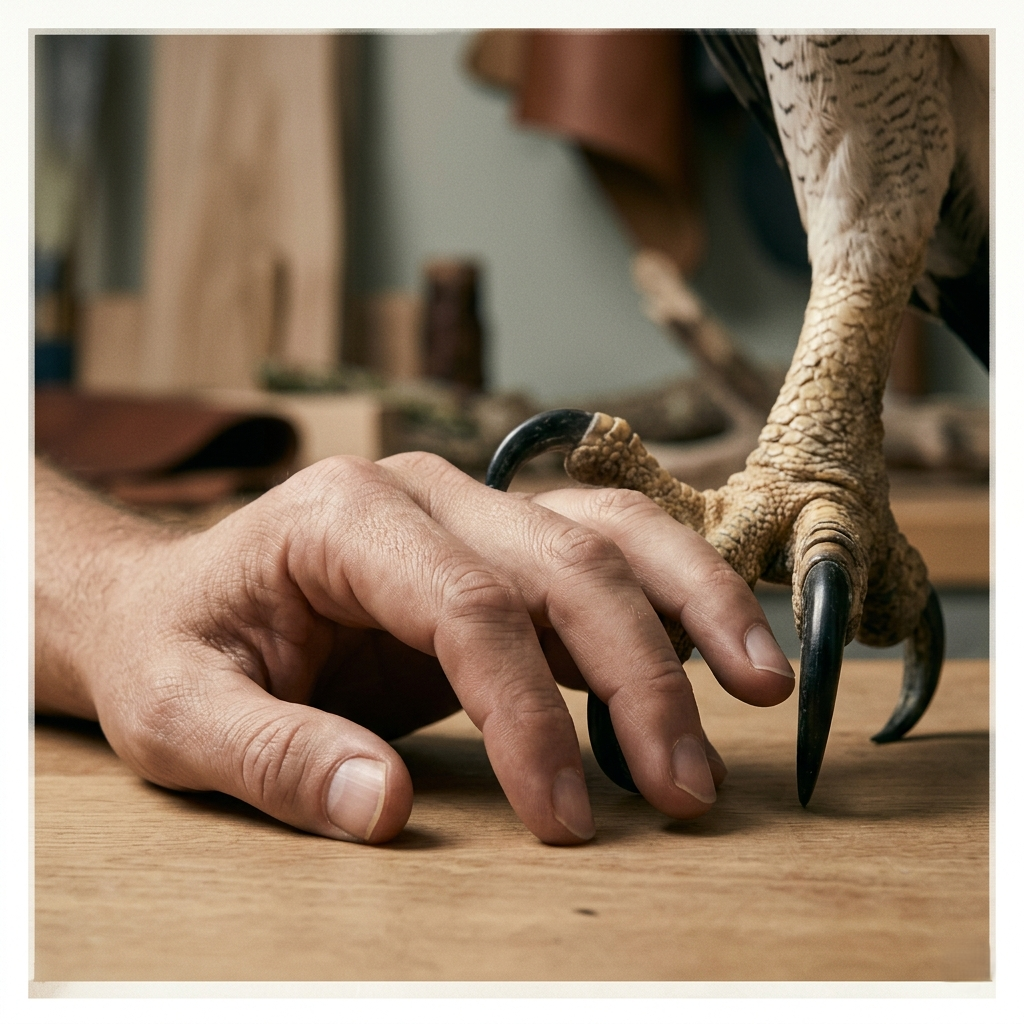
A great example is the comparison between the human hand and the claw of the Harpy Eagle.
Although both structures belong to living creatures, they serve completely different purposes. One allows humans to build civilizations. The other helps a powerful predator dominate the rainforest.
This contrast highlights how evolution shapes anatomy based on survival needs.
The Human Hand: A Tool for Precision and Creativity
The human hand is one of the most advanced biological tools in the natural world.
It contains five flexible fingers and an opposable thumb, allowing people to grip objects in many different ways.
Because of this structure, humans can perform extremely precise movements.
Examples include:
- Writing and drawing
- Playing musical instruments
- Building machines and tools
- Performing delicate surgery
These actions require incredible control and coordination.
Therefore, the human hand plays a central role in innovation and technology.
Why the Opposable Thumb Matters
One of the most important features of the human hand is the opposable thumb.
This thumb can move across the palm and touch the tips of the other fingers.
As a result, humans can create different types of grips:
- Precision grip – holding small objects like a pen or needle
- Power grip – holding tools such as a hammer
- Support grip – stabilizing objects while working
Because of these abilities, humans can manipulate objects with remarkable accuracy.
In fact, this anatomical feature helped early humans develop tools and complex technology.
The Harpy Eagle’s Claw: Built for Hunting Power
While the human hand focuses on precision, the claw of the harpy eagle is designed for pure hunting strength.
This massive bird of prey lives in tropical rainforests and ranks among the most powerful eagles in the world.
Its feet contain:
- Thick, muscular toes
- Extremely large curved talons
- Powerful gripping muscles
Together, these features create a natural weapon.
When the eagle attacks prey, the claws close with tremendous force.
As a result, the bird can capture animals and hold them securely during flight.
One of the Strongest Talons in the Bird World
The harpy eagle’s talons are among the largest of any bird species.
In fact, some talons can grow as long as a bear’s claws.
These curved weapons allow the eagle to grab animals quickly and prevent escape.
Because of this strength, the bird sits at the top of the rainforest food chain.
Scientists often refer to it as an apex predator, meaning it has few natural enemies.
Evolution Shapes Different Survival Tools
Although the human hand and the harpy eagle’s claw look very different, both evolved to solve survival challenges.
Evolution shaped each structure for its specific role:
| Feature | Human Hand | Harpy Eagle Claw |
|---|---|---|
| Primary Purpose | Precision and manipulation | Hunting and capture |
| Key Structure | Opposable thumb | Large curved talons |
| Strength Type | Fine motor control | Crushing grip power |
| Role in Survival | Tool use and creativity | Predator dominance |
Because each species faces different challenges, evolution favors different anatomical designs.
Precision vs Power in Nature
The contrast between these two structures shows how diverse biological solutions can be.
The human hand represents the following:
- Control
- Precision
- Creativity
- Innovation
Meanwhile, the harpy eagle’s claw represents the following:
- Strength
- Speed
- Hunting efficiency
- Survival instinct
Both designs are incredibly effective within their environments.
Why These Differences Matter in Biology
Studying these anatomical differences helps scientists understand how evolution works.
Researchers can observe how species adapt their bodies to meet environmental demands.
For example:
- Primates evolved hands for tool use and social interaction.
- Birds of prey evolved powerful claws for hunting.
These adaptations demonstrate how nature constantly refines biological designs over millions of years.
FAQs
Why is the human hand considered advanced?
The human hand allows precise control and complex movements. Its opposable thumb enables gripping, tool use, and detailed tasks that few animals can perform.
How strong are harpy eagle claws?
Harpy eagle talons are among the strongest in the bird world. They can grip prey with powerful force and hold animals securely during flight.
What is an opposable thumb?
An opposable thumb can move across the palm and touch other fingers. This ability allows humans to grip objects in different ways.
What animals does the harpy eagle hunt?
Harpy eagles mainly hunt animals such as monkeys, sloths, and other rainforest mammals.
Why do species evolve different structures?
Evolution favors traits that improve survival. Therefore, animals develop body structures suited to their environments and lifestyles.
Final Thoughts
The human hand and the harpy eagle’s claw represent two remarkable solutions created by evolution.
One evolved for creativity, precision, and technological development. The other developed for power, hunting efficiency, and survival in the wild.
Although their purposes differ, both structures demonstrate how nature designs organisms to succeed in their environments.
By studying these adaptations, scientists continue to uncover the fascinating ways evolution shapes life on Earth.
