


Aluminum foil is a kitchen staple.
It’s easy, cheap, and convenient.
But health experts warn that certain foods can trigger chemical reactions.
These reactions may cause aluminum to move from foil into your food.
How Aluminum Gets Into Food
Aluminum is a reactive metal.
When it comes into contact with specific foods, it can slowly break down.
This process allows tiny amounts of aluminum to transfer into meals.
The effect increases under certain conditions.
Foods That Increase Aluminum Leaching
Some ingredients speed up this reaction more than others.
High-risk foods include:
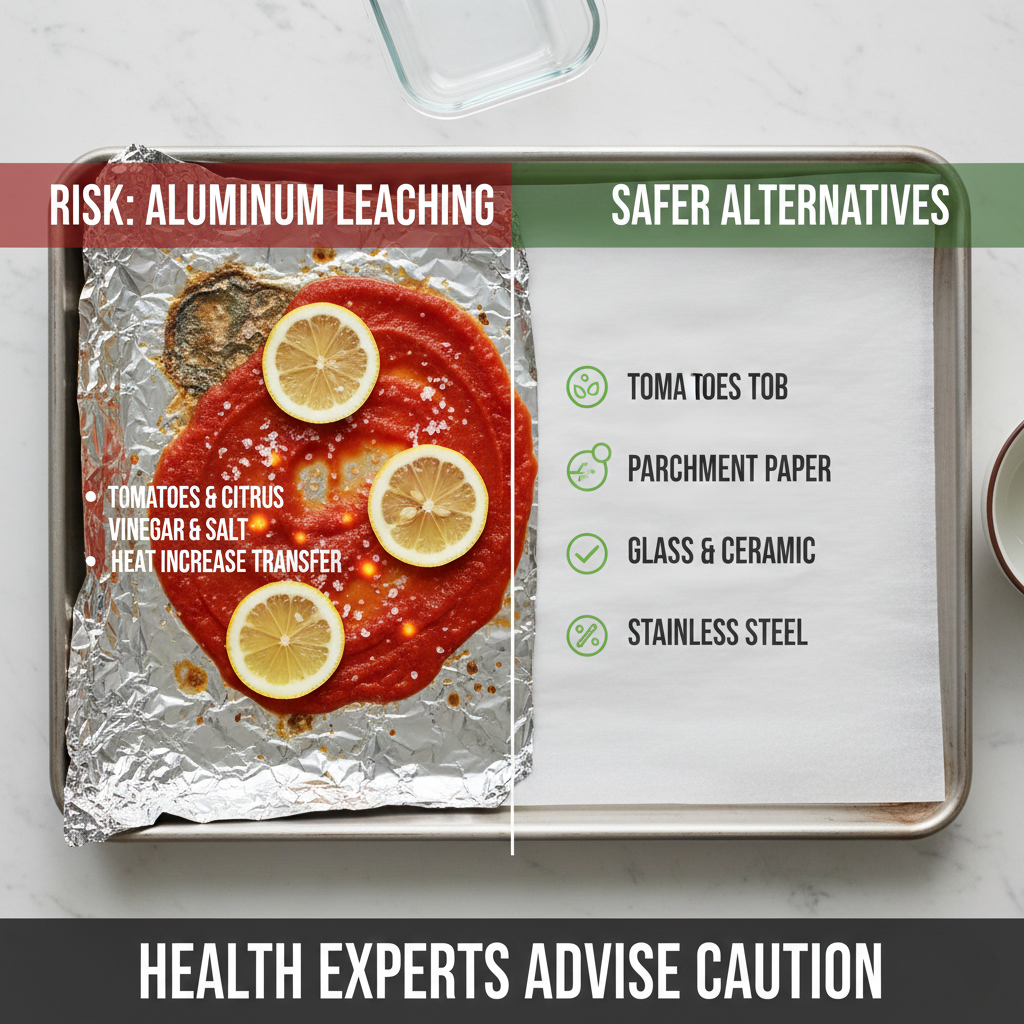
- Tomatoes and tomato sauces
- Citrus fruits like lemon and orange
- Vinegar-based dishes
- Heavily salted foods
These foods create an acidic or salty environment that pulls aluminum ions into food.
Does Occasional Use Matter?
The human body can usually handle small amounts of aluminum.
Occasional exposure is unlikely to cause harm.
However, repeated use can increase total intake over time.
That’s where long-term concerns begin.
Possible Health Effects of Excess Aluminum
Researchers have linked high aluminum exposure to several concerns.
The science is still evolving, but associations include:
- Effects on brain function
- Weakened bone health
- Stress on kidney function
Because aluminum can accumulate in the body, experts recommend reducing avoidable exposure.
What Research Says
A study published in the International Journal of Electrochemical Science found that aluminum foil can release measurable amounts of metal into food especially when heat and acidic ingredients are involved.
The findings support a simple message:
Limit contact between aluminum and reactive foods whenever possible.
Safer Alternatives for Cooking and Storage
Making small kitchen changes can greatly reduce risk.
Health experts recommend using:
- Parchment paper instead of foil
- Glass bakeware
- Ceramic cookware
- Stainless-steel pots and pans
These materials do not react with food and keep meals metal-free.
Will Food Taste Different?
No.
These alternatives do not change flavor or texture.
They simply reduce unwanted chemical transfer without affecting cooking results.
FAQs About Aluminum Foil and Cooking
Is aluminum foil dangerous?
Not in small, occasional use but repeated exposure with acidic foods may increase risk.
Can aluminum cookware cause the same issue?
Yes, especially with acidic or salty dishes.
Is cold food storage safer?
Yes. Heat greatly increases aluminum leaching.
What’s the safest option overall?
Glass, ceramic, and stainless steel are considered safest.
Conclusion: A Small Change With Long-Term Benefits
Aluminum foil is convenient, but it’s not always the best choice.
When used with acidic or salty foods, it can add unwanted metal to meals.
By switching to safer cookware and liners, you reduce exposure without sacrificing ease or taste.
Sometimes, better health starts with small changes in the kitchen.
