


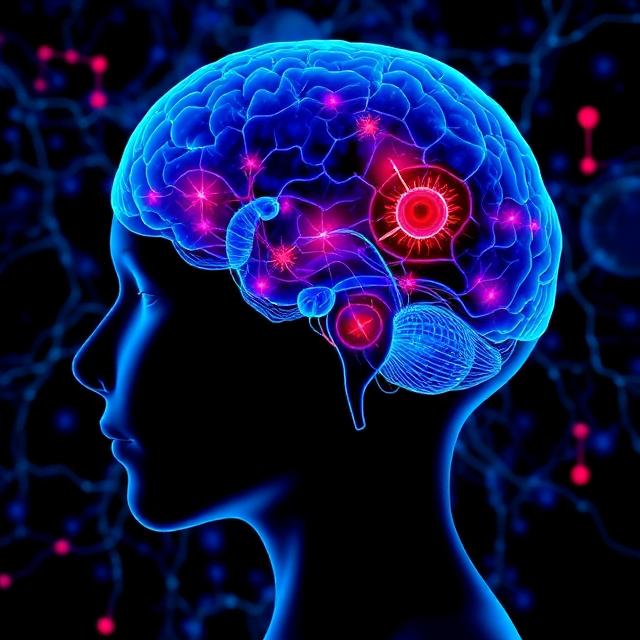
Introduction: When Nerve Cells Run Out of Power
Neurological diseases are often blamed on damaged neurons. But scientists have now identified a rare condition where the real problem is energy failure inside nerve cells.
Known as MINA syndrome, this newly identified disorder reveals how fragile the brain’s energy systems can be—and how devastating their collapse may become.
What Is MINA Syndrome?
Understanding the Name and the Cause
MINA syndrome stands for Mutation in NAMPT Axonopathy. It is caused by a genetic mutation affecting the NAMPT enzyme, essential for cellular energy production.
NAMPT plays a central role in producing NAD (nicotinamide adenine dinucleotide), a molecule required for nearly every cellular process.
Without enough NAD, cells struggle to survive.
Why NAD Is Essential for Nerve Cells
The Cell’s Energy Currency
NAD is involved in:
- Converting nutrients into usable energy
- Repairing damaged DNA
- Supporting mitochondrial function
- Maintaining healthy nerve signaling
When NAD production drops, cells lose their ability to function efficiently—especially energy-hungry neurons.
Why Motor Neurons Are Most Affected
Long Cells With High Energy Demands
Motor neurons are among the longest cells in the human body. They transmit signals from the brain to muscles over great distances.
Because of this, they require:
- Continuous energy supply
- Stable metabolic activity
- Efficient internal transport systems
When energy production fails, these long nerve fibers are the first to break down.
Symptoms and Disease Progression
How MINA Syndrome Manifests
As motor neurons lose energy, symptoms gradually worsen. Common signs include:
- Progressive muscle weakness
- Difficulty walking or standing
- Loss of coordination
- Reduced mobility over time
In advanced cases, patients may require assistive devices, including wheelchairs.
Why the Nervous System Suffers the Most
A System Dependent on Constant Energy
Although the NAMPT mutation affects all cells, researchers found that the nervous system is uniquely vulnerable.
Motor neurons must constantly transmit signals. When energy supply drops:
- Signal transmission weakens
- Axons begin to degenerate
- Brain-to-muscle communication collapses
This leads to steady neurological decline.
A New Perspective on Neurodegenerative Disease
Damage vs. Energy Failure
Traditionally, neurological disorders focus on:
- Protein buildup
- Physical neuron damage
- Inflammation
MINA syndrome highlights another cause: metabolic collapse at the cellular level.
This insight may help explain other neurodegenerative diseases with unclear origins.
Current Treatment Status and Research
Is There a Cure for MINA Syndrome?
At present, no approved cure exists. However, active research is underway.
Scientists are exploring therapies aimed at:
- Restoring NAD levels
- Stabilizing cellular metabolism
- Protecting motor neurons from degeneration
Understanding NAMPT’s role could unlock broader treatment strategies.
Why This Discovery Matters Beyond MINA Syndrome
Broader Implications for Brain Health
Energy failure is increasingly linked to conditions like:
- ALS
- Parkinson’s disease
- Age-related neurodegeneration
Insights from MINA syndrome may help researchers develop energy-based therapies for multiple neurological disorders.
Frequently Asked Questions (FAQs)
Is MINA syndrome inherited?
Yes. It is caused by a genetic mutation affecting the NAMPT enzyme.
Does MINA syndrome affect cognition?
According to available data, motor function—rather than cognitive ability—is largely impacted.
Can NAD supplements treat MINA syndrome?
No proven treatment exists yet. Supplement use should never replace medical guidance.
Why is this condition considered rare?
MINA syndrome was only recently identified and involves a very specific genetic mutation.
Conclusion: A Rare Disorder With Powerful Lessons
MINA syndrome reveals how deeply brain health depends on cellular energy balance.
Rather than damaged neurons alone, this disorder shows that energy failure can quietly destroy nerve function over time.
As researchers continue studying NAMPT and NAD metabolism, this discovery may shape the future of neurological treatment far beyond one rare condition.
