


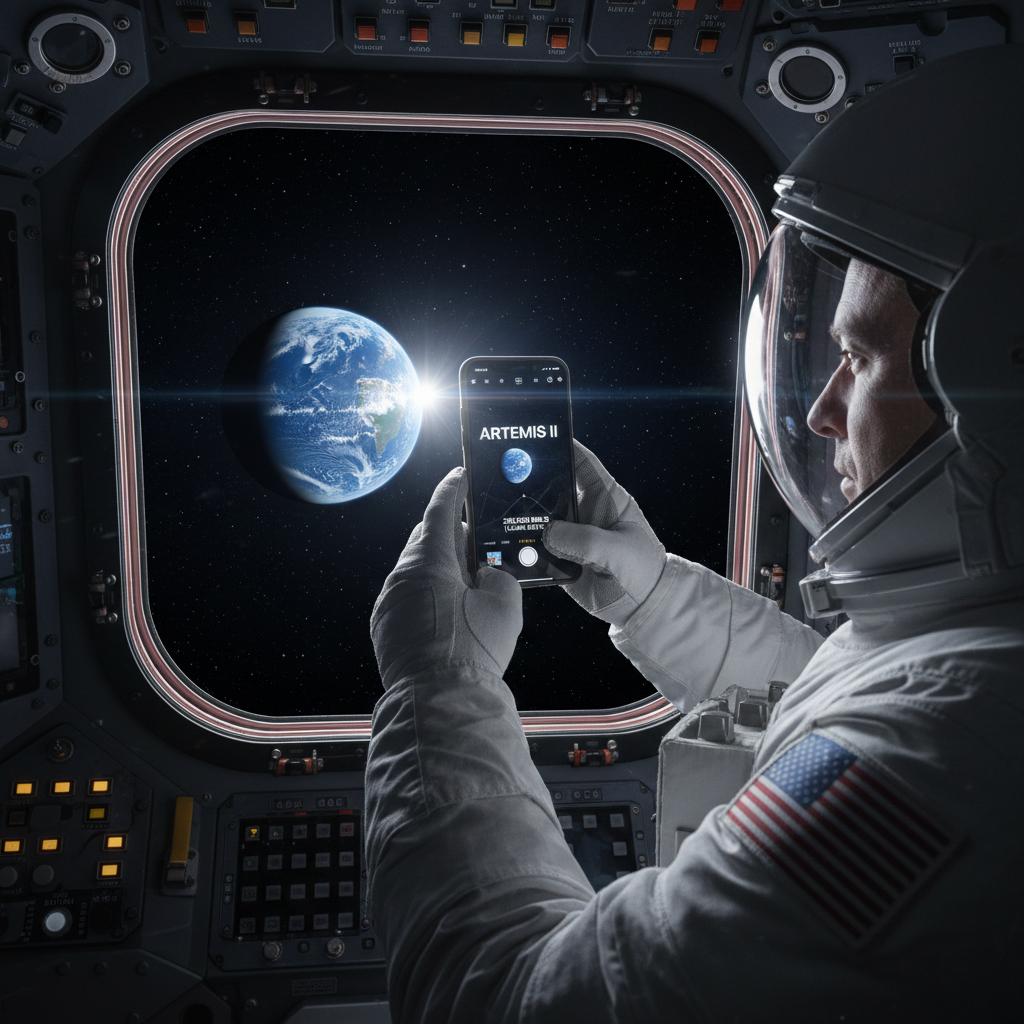
It sounds surprising at first. Astronauts heading toward the Moon will be carrying iPhones.
NASA has officially approved iPhones for the upcoming Artemis II mission, marking a big moment for everyday technology. The same type of device many of us carry in our pockets is now heading into deep space.
This decision shows how powerful and reliable modern consumer tech has become.
What Is the Artemis II Mission?
Artemis II will be the first crewed flight of NASA’s Artemis program.
The mission will send astronauts on a journey around the Moon before returning to Earth. It’s a major step toward future lunar landings and eventually human missions to Mars.
Bringing iPhones on board highlights NASA’s growing trust in commercial technology.
Why NASA Is Allowing iPhones in Space
NASA still relies on certified, space-grade systems. Those remain essential.
But smartphones today come packed with advanced tools, including:
- High-resolution cameras
- Motion sensors
- Gyroscopes
- Precise timing systems
- Communication features
These tools can support astronauts with documentation, measurements, and daily mission tasks.
Instead of replacing space equipment, iPhones will work alongside it.
Can Consumer Devices Survive Space?
One big concern is radiation and microgravity.
Research from NASA and space technology teams shows that many modern consumer devices handle these conditions better than expected.
Smartphones are built with durable components and powerful processors. In some cases, they can operate reliably even in challenging environments.
This doesn’t mean they replace hardened space hardware. But they can serve as flexible, low-cost support tools.
How iPhones Could Help Astronauts
Smartphones may assist astronauts in several practical ways:
- Capturing photos and videos for documentation
- Recording quick notes and data
- Measuring motion and orientation
- Supporting internal communication tasks
Think of it as adding a smart assistant to the mission toolkit.
Even small efficiencies can make a big difference during complex space operations.
NASA’s Strategy: Mixing Space Tech with Commercial Innovation
This move reflects a larger NASA strategy.
Instead of building everything from scratch, the agency is combining:
- Certified aerospace systems
- Commercial off-the-shelf technology
- Private sector innovation
This approach can:
- Reduce mission costs
- Increase flexibility
- Speed up development
- Support long-term Moon and Mars missions
It’s a smart balance between safety and innovation.
What This Means for the Future of Space Exploration
The approval of iPhones for Artemis II sends a strong message.
Consumer technology is no longer limited to Earth. It’s becoming part of deep-space exploration.
As devices grow more powerful and durable, we may see more everyday tech supporting astronauts on future missions.
The line between consumer innovation and space technology is starting to blur.
FAQs
Q: Are astronauts replacing space computers with iPhones?
No. iPhones will support missions, not replace certified space systems.
Q: Can regular smartphones survive space radiation?
Studies suggest many modern devices handle limited exposure better than expected, especially for short missions.
Q: Will this lower mission costs?
Yes. Using commercial technology can reduce expenses while adding flexibility.
Final Thoughts
NASA approving iPhones for Artemis II shows how far everyday technology has advanced. What once seemed impossible is now practical.
By blending space-certified systems with powerful consumer devices, NASA is preparing for longer Moon missions and future journeys to Mars.
The technology in your pocket is now playing a role beyond Earth.
