


Introduction
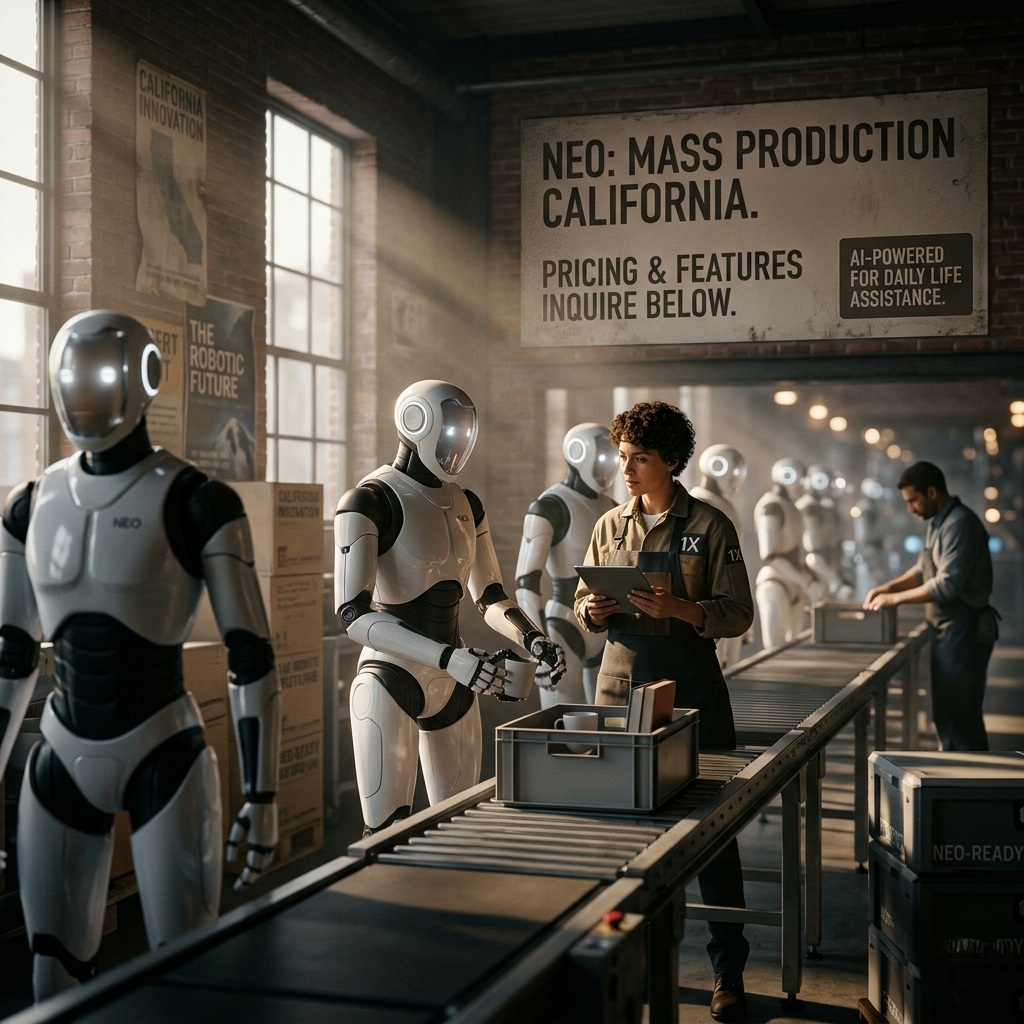
Humanoid robots are no longer just science fiction. Now, the United States is taking a bold step by building its first integrated humanoid robot factory.
This factory aims to produce 100,000 NEO robots by 2027. As a result, it could reshape industries, change how we work, and speed up automation worldwide.
So, what exactly is happening here? Let’s break it down in a simple and clear way.
What Is the NEO Humanoid Robot?
The NEO robot is a next-generation humanoid machine designed to work alongside humans. Unlike traditional robots, it looks and moves more like a person.
Key Features of NEO Robots
- Walks on two legs like a human
- Uses AI for smart decision-making
- Can handle repetitive and physical tasks
- Designed for factories, warehouses, and logistics
Because of these features, NEO robots can fit into human environments without major changes.
The First Integrated Humanoid Robot Factory in the US
The term “integrated factory” means everything happens in one place. In other words, design, testing, and production all occur under one roof.
Why This Matters
- Faster production cycles
- Lower manufacturing costs
- Better quality control
- Quick upgrades and improvements
As a result, companies can scale robot production much faster than before.
Why 100,000 Robots by 2027 Is a Big Deal
Producing 100,000 humanoid robots in just a few years is not a small goal. In fact, it shows how fast robotics is growing.
Here’s Why It’s Important
- Mass Adoption of Robots
Businesses will start using robots more often. - Lower Costs Over Time
As production increases, prices usually drop. - Boost in Productivity
Robots can work longer hours without fatigue. - Global Competition
The US strengthens its position in the robotics race.
Real-World Use Cases of NEO Robots
These robots are not just for show. They are built for real tasks that industries deal with daily.
Where NEO Robots Can Work
1. Warehouses
They can lift, sort, and move packages quickly.
2. Manufacturing Plants
They can assist workers on assembly lines.
3. Logistics and Delivery
They can help in loading and unloading goods.
4. Retail Stores
They can manage inventory and assist customers.
Because of this versatility, companies can use one robot for multiple roles.
Case Study: Automation in Action
Companies like Tesla and Amazon already use automation in their operations.
For example, Amazon uses robots in warehouses to speed up deliveries. Meanwhile, Tesla is exploring humanoid robots for factory work.
So, the NEO robot factory builds on a trend that is already growing fast.
Will Robots Replace Human Jobs?
This is the biggest concern for many people. However, the answer is not so simple.
The Reality
- Some repetitive jobs may disappear
- New tech jobs will be created
- Humans will work alongside robots
In fact, robots often handle boring or dangerous tasks. As a result, humans can focus on creative and skilled work.
Challenges to Watch
Even though this project is exciting, it still faces some challenges.
Key Challenges
- High initial investment
- Safety and regulations
- Public trust and acceptance
- Technical limitations
However, as technology improves, many of these issues may reduce over time.
What This Means for the Future
This factory marks a turning point in robotics.
As production scales up, humanoid robots could become as common as smartphones. Moreover, industries will likely become faster, smarter, and more efficient.
Therefore, the next few years will be critical in shaping how humans and robots work together.
FAQs
What is a humanoid robot?
A humanoid robot is a machine designed to look and move like a human, often using AI to perform tasks.
What is special about the NEO robot?
It combines human-like movement with AI, making it suitable for real-world tasks in different industries.
When will the factory be ready?
The goal is to reach full production and build 100,000 robots by 2027.
Will robots take over jobs?
Not entirely. While some jobs may change, new opportunities will also emerge.
Conclusion
The US’s first integrated humanoid robot factory is more than just a tech project. It is a glimpse into the future of work.
With 100,000 NEO robots expected by 2027, industries are about to change in a big way.
So, whether you’re excited or concerned, one thing is clear robots are becoming part of our everyday lives.
