


When people think of deadly animals, sharks and snakes usually come first.
But the real threat is much smaller.
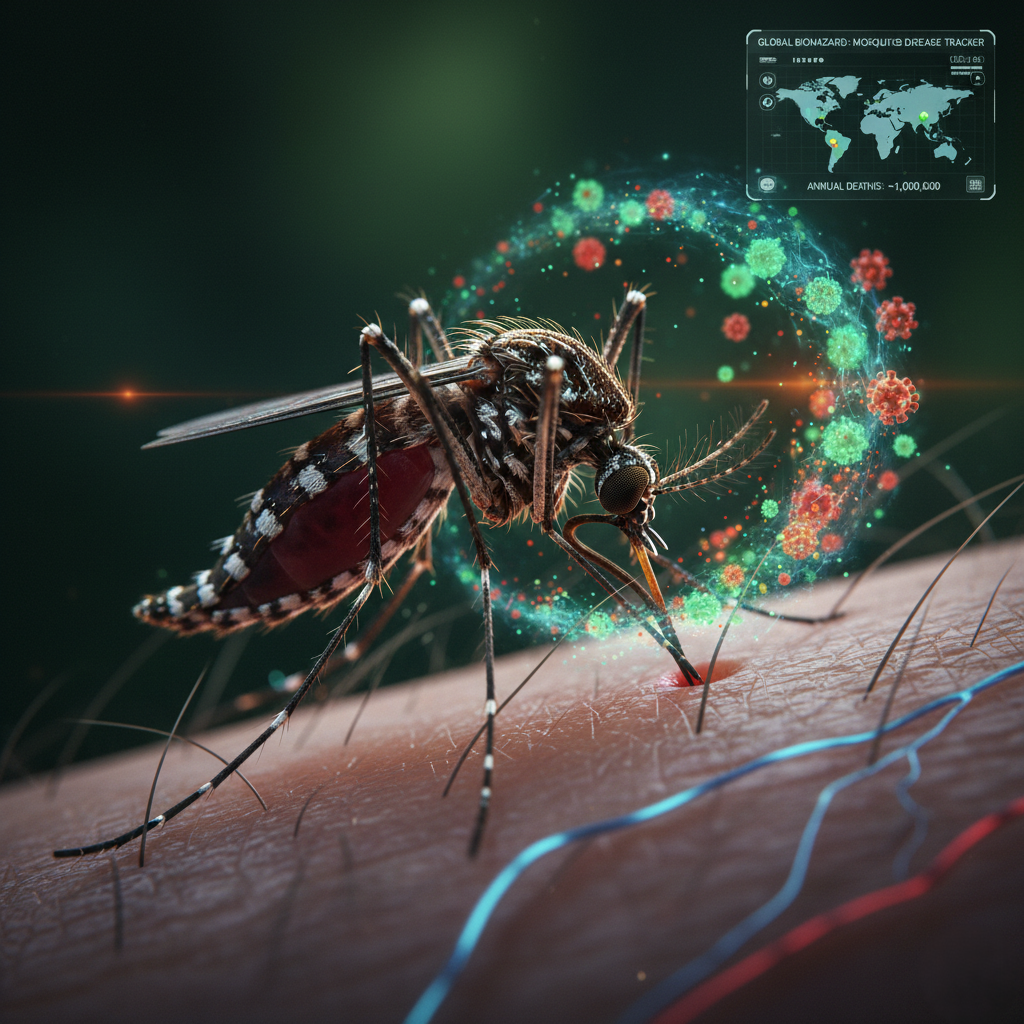
The mosquito—tiny, common, and often ignored—is responsible for more human deaths each year than any other animal.
How Dangerous Are Mosquitoes?
Mosquitoes include over 3,700 species worldwide.
According to the World Health Organization, mosquito-borne diseases cause an estimated 700,000 to one million deaths every year.
That number is far higher than deaths caused by sharks, snakes, or large predators.
The danger doesn’t come from the bite itself.
It comes from what they carry.
How Mosquitoes Spread Disease
Mosquitoes act as biological carriers, also called vectors.
When they bite an infected person, they pick up parasites or viruses.
When they bite someone else, they pass the infection along.
Some of the most serious diseases they spread include:
- Malaria
- Dengue fever
- Zika virus
- Yellow fever
These illnesses affect millions of people every year.
Why Their Impact Is So Massive
Unlike large animals, mosquitoes are everywhere.
They thrive in:
- Tropical regions
- Humid climates
- Urban areas
- Rural communities
Because they live close to humans, they can infect huge populations quickly.
Their threat is invisible and silent.
You may not even realize you’ve been exposed until symptoms appear days later.
Comparing Mosquitoes to Other Dangerous Animals
Let’s look at perspective:
| Animal | Estimated Annual Deaths |
|---|---|
| Mosquito | 700,000–1,000,000 |
| Snakes | ~100,000 |
| Dogs (rabies) | ~59,000 |
| Sharks | Fewer than 10 |
Mosquitoes are responsible for far more deaths than any of these animals.
Even humans cause fewer deaths directly through physical attacks.
Why Controlling Mosquitoes Is So Difficult
Mosquitoes reproduce quickly.
They lay eggs in standing water—even small puddles.
Their adaptability makes them hard to eliminate.
Challenges include:
- Climate change expanding their habitats
- Urban overcrowding
- Limited healthcare access in some regions
- Resistance to certain insecticides
Public health systems must constantly adapt to keep up.
What Scientists Are Doing to Reduce Risk
Researchers and health organizations focus on:
- Improving sanitation and water management
- Developing vaccines
- Creating better mosquito control strategies
- Educating communities about prevention
Simple actions like removing standing water and using protective nets can save lives.
Global prevention programs continue to reduce deaths, but the threat remains significant.
FAQs
Why is the mosquito considered the deadliest animal?
Because it spreads diseases that kill hundreds of thousands to over a million people each year.
Do all mosquitoes spread disease?
No. Only certain species carry harmful parasites or viruses.
What is the deadliest disease spread by mosquitoes?
Malaria remains one of the most lethal mosquito-borne diseases globally.
Can mosquito-borne diseases be prevented?
Yes. Prevention includes mosquito control, vaccines (where available), protective clothing, and reducing standing water.
Are mosquitoes more dangerous than sharks?
Yes. Sharks cause very few deaths annually compared to mosquito-related diseases.
Final Thoughts
The mosquito may look harmless, but its impact on global health is enormous.
By spreading dangerous diseases silently and efficiently, it has earned the title of the deadliest animal on Earth.
Understanding their behavior and improving prevention efforts are key to saving lives.
If you live in a region where mosquito-borne diseases are common, take preventive measures seriously.
Sometimes the smallest creatures pose the biggest threat.
