


Introduction: A New Way to Support the Brain
What if improving memory and focus was as simple as wearing a wristband?
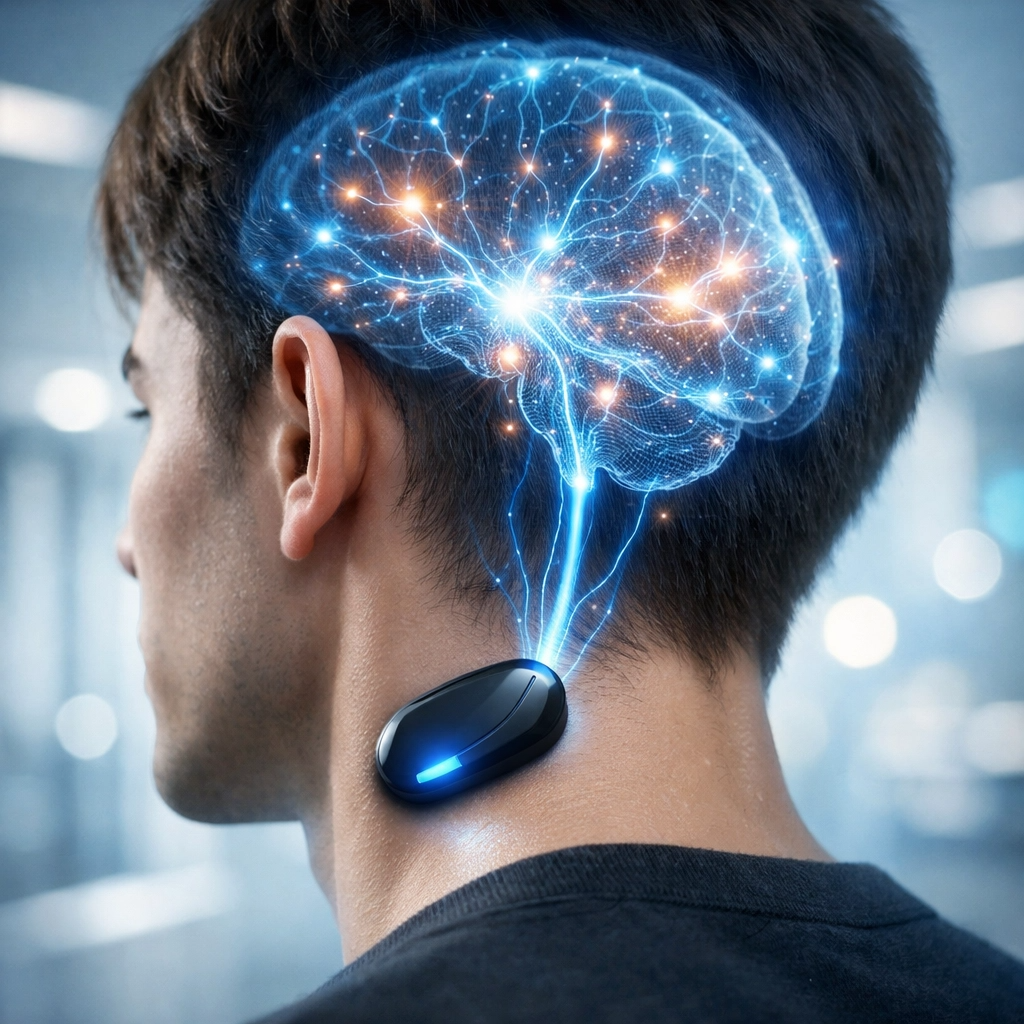
That idea is quickly becoming real. A new wearable device uses gentle nerve stimulation to support brain function.
Instead of waiting for problems to worsen, this approach focuses on daily support and prevention.
What Is Vagus Nerve Stimulation?
The key to this technology is the vagus nerve.
This nerve plays a major role in:
- Attention and focus
- Mood regulation
- Inflammation control
Because it connects many systems in the body, even small changes can have wide effects.
This method is part of neuromodulation.
How the Wrist Device Works
Unlike older systems that require surgery, this device is simple and noninvasive.
It looks like a regular wristband. However, inside, it delivers small electrical pulses.
Step-by-step process:
- The device targets nerve branches near the wrist
- It sends controlled electrical signals
- These signals influence brain chemistry
- The brain responds with improved regulation
As a result, users may experience better focus and memory over time.
Why This Approach Is Different
Traditional treatments often focus on medication or lifestyle changes alone. While helpful, they don’t always provide measurable feedback.
This device adds something new.
Key advantages:
- Noninvasive design
No surgery or complex setup - Daily usability
Can be worn at home like a smartwatch - Adaptive dosing
Adjusts stimulation based on user response
Because of this, care becomes more personalized and consistent.
Real-Life Benefits: Small Wins That Matter
The impact may start small, but it can be meaningful.
Users may notice:
- Remembering appointments more easily
- Following conversations better
- Managing daily routines with less stress
Over time, these improvements build confidence and independence.
Support for Caregivers and Doctors
This technology doesn’t just help patients; it also supports caregivers and clinicians.
Key benefits:
- Reduced caregiving burden
- Better tracking of progress
- Clear data on usage and results
Because the device collects data, doctors can connect stimulation patterns with cognitive performance.
As a result, treatment becomes more informed and effective.
The Role of Brain Chemistry
The device aims to increase levels of acetylcholine, a chemical linked to memory and learning.
At the same time, it may reduce inflammation signals that affect brain health.
This dual effect supports both short-term function and long-term protection.
Is This a Cure? A Realistic View
It’s important to stay realistic.
This technology is not a cure for cognitive decline. However, it may slow the process.
What it can do:
- Delay worsening symptoms
- Extend independence
- Improve quality of life
In many cases, even a small delay can make a big difference.
How This Could Change Healthcare
This approach hints at a bigger shift.
Instead of reacting to serious decline, healthcare may move toward daily prevention similar to heart-health management.
Future possibilities:
- Routine wearable brain support
- Personalized stimulation plans
- Early intervention before major symptoms
Because of this, cognitive care could become more proactive.
FAQs About Wearable Nerve Stimulation
1. Is the device safe to use daily?
Early research suggests it is safe, but long-term studies are ongoing.
2. Does it work instantly?
No, benefits usually appear gradually with consistent use.
3. Can it replace medication?
Not yet. It may work alongside existing treatments.
4. Who can benefit from it?
People with early cognitive decline or memory concerns may benefit most.
Conclusion: A Step Toward Smarter Brain Care
This wrist-based technology shows how simple tools can make a real difference.
By supporting the brain daily, it offers a new way to manage cognitive health.
